Authentic Italian Regional Recipes Guide: Cook from Source
In This Article
I remember the first time I realized how wrong I was about Italian food. It wasn't in a fancy restaurant, but in a tiny, steamy kitchen in Bologna. I was trying to impress some local friends by making a "classic" Italian tomato sauce, the kind you see everywhere. My friend's nonna, a woman of few words but immense kitchen presence, just shook her head. "Troppo semplice," she said. Too simple. Then she showed me her ragù, which had been simmering since morning. That was my first real lesson: there is no single "Italian" cuisine. There are twenty distinct regional cuisines, each with its own history, ingredients, and soul. And that's what makes exploring Italian regional recipes so endlessly fascinating.
Most of us outside Italy know a caricature. We think of pizza from Naples, pesto from Genoa, maybe risotto from Milan. But what about the slow-cooked lamb from the Abruzzo mountains, or the citrus-infused seafood of Sicily? The truth is, Italian cooking is a hyper-local affair. It's a direct result of geography, history, and sheer stubborn pride. To cook Italian food authentically, you need to think like an Italian – regionally. This guide isn't just a list of dishes; it's a map. A map to help you navigate the incredible diversity of Italy's kitchen and bring honest, regional flavors to your table.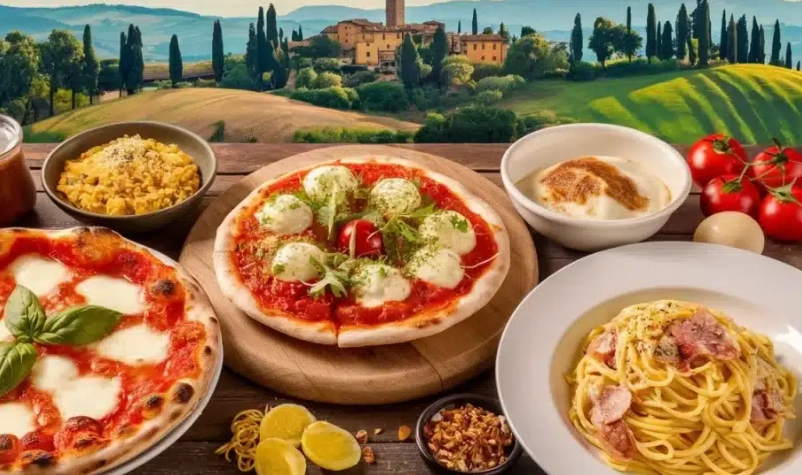
Think about it: Why does a carbonara in Rome taste nothing like a carbonara you might get in New York? It's not just the ingredients (though that's a huge part). It's the centuries of tradition behind it. That's the gap we're bridging today.
Why Geography is Your Most Important Italian Cooking Ingredient
Italy is a long, boot-shaped peninsula with the Alps in the north and sun-baked islands in the south. This geography created natural culinary borders long before Italy was a unified country. The food was, and still is, cucina povera at its heart – the cooking of the poor, making magnificent use of what's locally available. Forget the idea of a national pantry. Italy has regional pantries.
In the North, you have fertile plains, alpine pastures, and lots of rain. Butter, cream, rice (for risotto), corn (for polenta), and rich cheeses like Parmigiano-Reggiano and Gorgonzola are kings. Dishes are hearty, often slow-cooked to combat the cooler climate. Then you cross the imaginary line somewhere around Florence, and everything changes. Central Italy introduces the holy trinity of olive oil, bread, and beans. Tuscany's food is famously simple, letting pristine ingredients shine. As you move south, the sun gets stronger, the land drier. Here, olive oil is liquid gold, vegetables like tomatoes, eggplants, and peppers thrive, and pasta is the undisputed staple, often served with vibrant, vegetable-based sauces or the incredible seafood from the surrounding seas.
This isn't just trivia. It's the fundamental rule for choosing and cooking authentic Italian regional recipes. If a recipe from coastal Liguria calls for butter and cream, be suspicious. If a Sicilian recipe asks for heavy cream in a pasta sauce, run. Understanding this map is the first step to cooking like a local.
The North: Richness from the Land
Let's start at the top. Lombardy, Piedmont, Veneto – these regions are about indulgence from the land. Polenta, a humble cornmeal porridge, is a staple vehicle for rich stews like Osso Buco (braised veal shanks). Risotto is a science here, with the perfect all'onda (wavy) consistency. I once ruined three pots of risotto before a Venetian friend told me the secret: constant, gentle stirring and adding warm stock a ladle at a time. Patience is non-negotiable.
A Northern Star: Risotto alla Milanese. This is saffron risotto. It seems simple – rice, stock, saffron, cheese, butter. But the magic is in the technique. You toast the rice in butter first, toasting the starch for that perfect creamy texture without cream. The saffron threads (get the real stuff, not powder) are infused in warm stock. It's a dish of stunning, golden elegance that tastes of luxury, yet its origins are humble. It's a perfect example of how northern Italian regional recipes transform basic ingredients into something sublime.
The Centre: The Heart of Simplicity
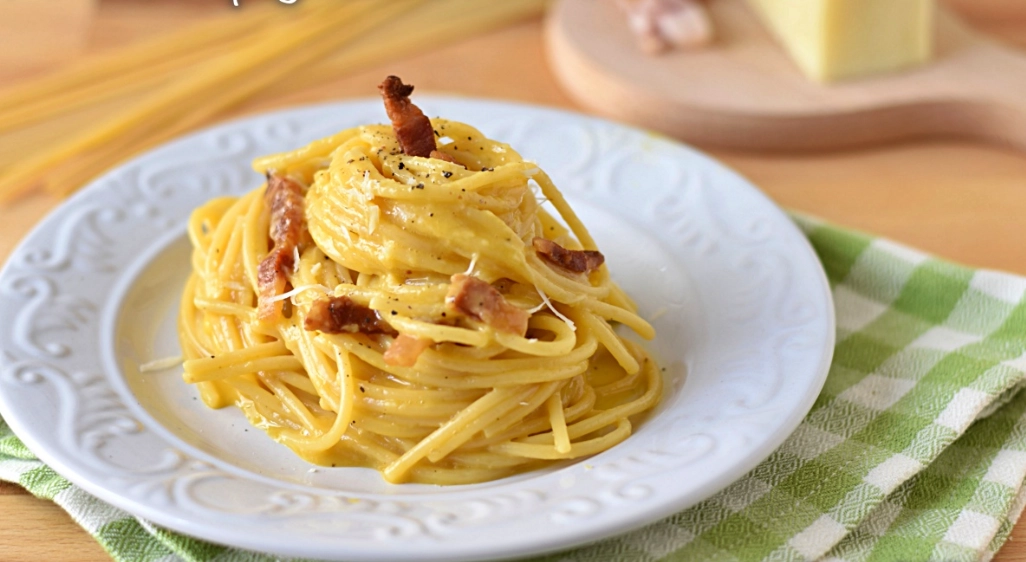
Tuscany, Umbria, Lazio. If the North is rich, the Centre is robust and honest. This is the land of extra virgin olive oil, used generously. Bread is unsalted (a historical quirk), which is why dishes like Panzanella (bread salad) and Ribollita (bread and vegetable soup) were born – to use up stale bread. Roman cuisine is fierce in its traditions. Spaghetti alla Carbonara (guanciale, egg, pecorino, pepper), Cacio e Pepe (cheese and pepper), and Amatriciana (guanciale, tomato, pecorino) are a holy trilogy. They have maybe four or five ingredients each. There is no room for error, and absolutely no room for cream. I've had arguments with chefs about this. Adding cream to a carbonara isn't an adaptation; it's a different dish entirely.
The South & Islands: Sun-Drenched Vitality
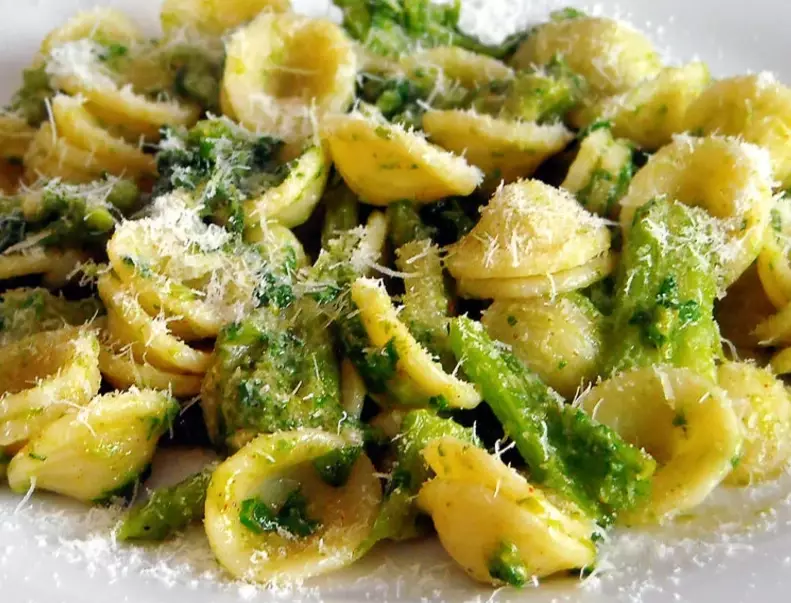
Campania (home of Naples), Puglia, Calabria, Sicily, Sardinia. This is where Italian food gets its vibrant, sunny reputation. Tomatoes, eggplants, zucchini, and peppers form the backbone. Pasta is often short and shapes like orecchiette or cavatelli, perfect for catching chunky sauces. Seafood is spectacular. Sicily is a world of its own, influenced by Greeks, Arabs, Normans, and Spanish. You get sweet-and-sour flavors like in Caponata (eggplant stew), incredible citrus, and rich pastries like cannoli. Southern food has a boldness, a directness from the intense sun and volcanic soil.
My Southern Secret: For any Southern tomato-based sauce, try adding a tiny pinch of dried oregano after cooking, just before serving. It wakes up the whole dish. But don't cook it – it turns bitter.
Your Hand-Picked Guide to Must-Try Italian Regional Recipes
Okay, enough theory. Let's get to the practical part. Here are some iconic dishes, chosen not just because they're famous, but because they teach you a fundamental regional technique or flavor profile. These are your entry points.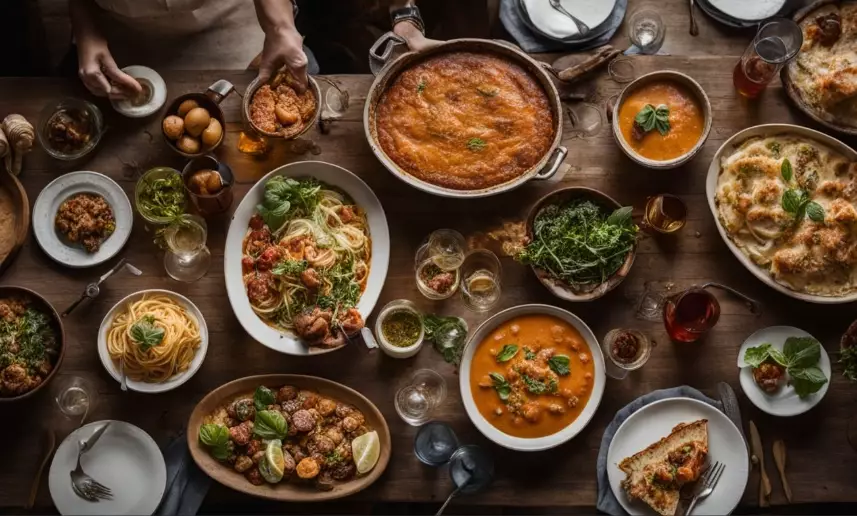
From the North: Tagliatelle al Ragù alla Bolognese (Emilia-Romagna)
Forget the spaghetti. The real deal from Bologna is about slow-cooked meat sauce with tagliatelle, a wide ribbon pasta that holds the rich sauce perfectly. The key? A soffritto of carrot, onion, and celery finely diced, a mix of ground meats (often beef and pork), a splash of milk to soften the acidity, and white wine. It simmers for hours. The result is deep, complex, and utterly comforting. The official recipe is deposited with the Bologna Chamber of Commerce, which tells you how serious they are. You can find their traditional guidelines on the Bologna Welcome tourism site.
From the Centre: Bistecca alla Fiorentina (Tuscany)
This is less a recipe and more a ritual. A massive T-bone steak from the local Chianina cattle, grilled over wood or charcoal, seasoned with salt, pepper, and a drizzle of olive oil after cooking. It's served rare. The skill is in the sourcing and the fire management. It's a lesson in Tuscan philosophy: get a spectacular ingredient, do very little to it, and get out of the way.
From the South: Pasta alla Norma (Sicily)
A celebration of Sicilian summer. Fried eggplant, a rich tomato sauce, salted ricotta cheese (ricotta salata), and fresh basil. It's vegetarian, vibrant, and balances sweet, salty, and herbaceous notes perfectly. The technique of frying the eggplant properly – getting it golden and tender – is crucial. It's one of those regional Italian recipes that proves simplicity, when done right, is unbeatable.
A Common Mistake I See: Overcomplicating things. The biggest error home cooks make with Italian food is adding too many ingredients. Most classic dishes have a very short ingredient list. Focus on the quality of those three or four things, not the quantity.
The Italian Regional Pantry: A Quick-Reference Table
To make shopping and planning easier, here’s a breakdown of the core ingredients that define each area. This is your cheat sheet.
| Region | Signature Fats | Key Starches | Characteristic Proteins | Flavor Heroes |
|---|---|---|---|---|
| Piedmont, Lombardy | Butter, Lard | Rice (Risotto), Corn (Polenta) | Veal, Beef, Pork, Freshwater Fish | Truffles, Porcini, Parmigiano, Gorgonzola |
| Veneto, Friuli | Butter, Olive Oil | Polenta, Rice, Beans | Seafood, Pork, Game | Radicchio, Sage, Prosecco (for cooking) |
| Emilia-Romagna | Butter, Lard, Olive Oil | Egg Pasta (Tagliatelle, Tortellini) | Pork (in all forms), Beef | Parmigiano-Reggiano, Balsamic Vinegar |
| Tuscany, Umbria | Extra Virgin Olive Oil | Bread (Unsalted), Beans, Farro | Beef, Wild Boar, Lamb, Chicken | Rosemary, Sage, Fennel, Pecorino Cheese |
| Lazio (Rome) | Olive Oil, Pork Fat (Guanciale) | Dried Pasta (Spaghetti, Rigatoni) | Guanciale, Pecorino Cheese, Offal | Pecorino Romano, Black Pepper, Mint |
| Campania (Naples) | Olive Oil | Pasta, Pizza Dough | Mozzarella di Bufala, Seafood, Pork | San Marzano Tomatoes, Basil, Oregano |
| Puglia, Calabria | Olive Oil (intense flavor) | Orecchiette, Durum Wheat Bread | Mussels, Octopus, Lamb, Pork | Chili Peppers, Wild Greens, Capers |
| Sicily | Olive Oil | Pasta, Couscous (in the west) | Tuna, Swordfish, Sardines, Almonds | Eggplant, Citrus, Saffron, Pine Nuts, Ricotta |
See the pattern? It's a logical, delicious system. Use this table when you find a recipe. If it's from Sicily but calls for butter and cream as the main fat, something's off. Cross-reference is your best friend for authentic Italian regional recipes.
Answering Your Real Questions About Italian Regional Cooking
I get a lot of questions from friends trying to navigate this world. Here are the ones that come up again and again.
 The goal isn't perfection on the first try. It's understanding.
Putting It All Together: Your Action Plan
So where do you start? Don't try to cook the whole country in a week. Pick one region that intrigues you. Maybe you love seafood, so you start with Campania or Sicily. Maybe you crave hearty comfort food, so you look to Emilia-Romagna or Piedmont.
- Choose Your Region: Follow your craving or curiosity.
- Source Two Key Ingredients: Identify the one or two non-negotiable local ingredients for your chosen dish. Is it guanciale for a Roman pasta? Sicilian eggplant? Proper carnaroli rice for risotto? Find the best quality you can.
- Master One Technique: Each dish teaches something. Risotto teaches patience and stirring. A ragù teaches the magic of slow cooking. A Florentine steak teaches fire control.
- Cook, Taste, Adjust: Taste as you go. Is it balanced? Does it need a pinch more salt? A splash of acid (lemon juice or vinegar) to brighten it?
- Share It: Food is meant to be shared. The real joy of these Italian regional recipes is the connection they create.
It's a journey, honestly. I'm still learning. Just last month I completely botched a attempt at Supplì (Roman rice croquettes) – the filling leaked everywhere in the fryer. It was a mess. But even the failures teach you something about the texture and chemistry of the food.
The beauty of diving into Italian regional cooking is that it connects you to a place, a history, and a way of thinking about food that is profoundly respectful. It moves you away from generic "Italian" and into the specific, the storied, the authentic. It turns cooking from a task into exploration. So grab a map of Italy, pick a region, and start your adventure in the kitchen. The flavors waiting for you are more incredible than you can imagine.
And remember, the most important ingredient, which no region can claim exclusively, is your own enjoyment. Have fun with it.
Related Articles
What are the 4 Classic Italian Dishes? A Food Lover's Guide

Breaking through 1.2 billion kilowatts, China has achieved its commitment to win
Ultimate Italian Margarita Recipe: How to Make the Perfect Amaretto Sour Twist
Authentic Italian Pasta Sauce Recipes: From Classic Tomato to Rich Ragù
Easiest Italian Food to Make: 5 Simple Recipes for Beginners

Why is Dongguan's economy no longer at the bottom?
Authentic Italian Minestrone Soup Recipe: A Hearty Classic
The Heart of Italy on Your Plate: Timeless Traditional Italian Recipes & Kitchen Wisdom

The Most Popular Cocktail in Italy: A Deep Dive into the Aperol Spritz
Authentic Italian Family Meal Recipes: From Antipasti to Dolce
Authentic Pasta Carbonara Recipe: The Real Italian Way
What Are the Most Popular Italian Appetizers? A Complete Guide to Antipasti
Easy Creamy Italian Dressing Recipe (Better Than Store-Bought)
Easy Italian Appetizer Recipes for a Crowd: Make-Ahead & Crowd-Pleasing Ideas
Authentic Carbonara Recipe (No Cream!): The Real Italian Way
Master Old School Italian Recipes: Authentic Pasta, Ragù & More
Easy Italian Baked Dishes Recipes: Effortless Family Dinners
Italian Soup Recipe: Classic Minestrone & Hearty Ribollita Made Easy
Unique Italian Cocktails: Beyond the Aperol Spritz
Authentic Italian Vegetarian Appetizers: Recipes, Tips & Menus
A Guide to Italy's Classic Dishes: Pasta, Pizza & More
Simple Pasta Recipes for Busy Weeknights: 3 Classics Made Easy

Authentic Italian Food Recipes: A Home Cook's Guide to Getting It Right
5 Traditional Italian Dishes: Authentic Recipes & Where to Try Them
Simple Italian Baked Dishes: Easy Recipes for Lasagna, Eggplant & Focaccia

Thailand car market survey: sales and prices plunged, and Sino-Japanese competit

The State Administration of Financial Supervision: Commercial banks have release
Modern Italian Cocktails: A Guide to Artisanal Mixology
Authentic Carbonara Recipe: The Real Italian Way (No Cream!)
Leave a Comment