Authentic Italian Vegetarian Recipes: Classics Made Simple & Delicious
What’s Inside
I have to be honest with you. The first time I heard "Italian vegetarian recipes," I pictured a sad plate of plain pasta with some jarred marinara, maybe a few steamed vegetables on the side. It felt like a compromise, like you were missing out on the real deal. That was before I spent a summer helping out in my friend's family kitchen in a small town in Tuscany.
Let me tell you, I was completely wrong.
What I learned there changed my whole perspective. Italian cooking, at its heart, isn't about piling on meat. It's about something much simpler and, frankly, more magical. It's about celebrating what's in season, treating a few incredible ingredients with respect, and creating flavors that are bigger than the sum of their parts. We're talking about food that's so satisfying and rich, you won't even think about what's "missing."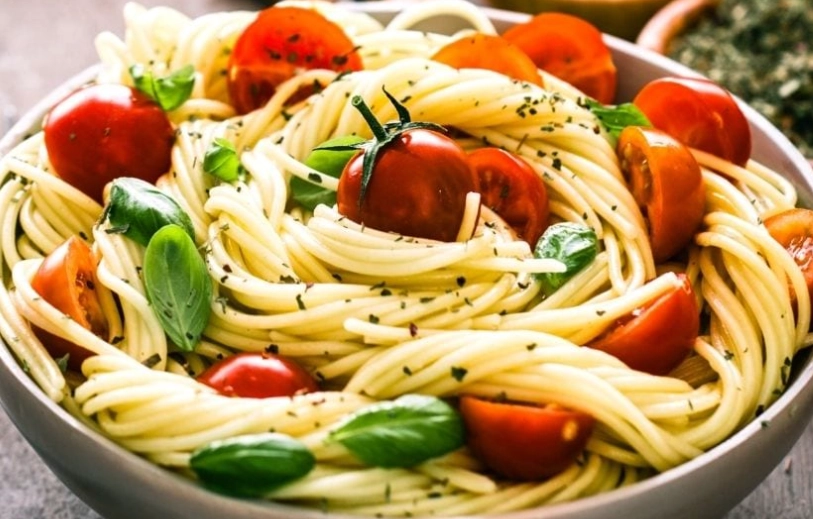
This isn't about finding complicated meat substitutes. It's about rediscovering the incredible foundation of Italian cooking. So, if you're tired of the same old vegetarian meals and want food that's bursting with authentic flavor, you're in the right place. Let's dig into the real world of Italian vegetarian recipes.
The Italian Vegetarian Kitchen: It Starts With Your Pantry
You can't build a great house without good bricks, and you can't make amazing Italian food without a few key staples. The beauty is, you don't need a ton of obscure items. A well-stocked pantry is your best friend for whipping up easy Italian vegetarian recipes on a busy weeknight.
Here’s the thing I learned the hard way: the quality of these basics makes all the difference. Splurging a little on good olive oil or canned tomatoes is the single biggest upgrade you can make to your cooking.
Let's break down what you really need. I've put together this table to make it super clear—what's essential, what's a nice bonus, and where you can sometimes cut corners (though I don't always recommend it!).
| Ingredient | Why It's Essential | Best Choice / Pro Tip |
|---|---|---|
| Extra Virgin Olive Oil | The soul of the cuisine. Used for cooking, finishing, and dressing. | One for cooking (good quality), one for finishing (your best bottle). Don't burn it! |
| Canned Tomatoes | The base for countless sauces. Consistency is key. | Whole San Marzano tomatoes (look for DOP certification) that you crush by hand. The flavor is deeper. |
| Dried Pasta | A quick, reliable staple. Shape matters for sauce pairing. | 100% durum wheat semolina. Brands like De Cecco, Rummo, or Garofalo are widely available and excellent. |
| Dried Beans & Lentils | Heartiness, protein, and texture in soups, stews, and pastas. | Cannellini, borlotti, and lenticchie di Castelluccio (tiny green lentils). Soak overnight for best texture. |
| Garlic & Onions | The foundational aromatics for building flavor. | Fresh, firm bulbs. Cook garlic slowly and gently to sweeten it, never let it burn (it turns bitter). |
| Hard Cheeses (Parmigiano-Reggiano, Pecorino) | Umami, salt, and richness. The "finishing touch." | Buy a piece and grate it yourself. Pre-grated has anti-caking agents that ruin the melt and flavor. |
| Good Vinegar & Capers | For brightness and punch to cut through richness. | Aged balsamic (for drops), red wine vinegar, and salted capers (rinse well!). |
Once you have these guys on hand, you're never more than 20 minutes away from a legit meal. It's that simple.
5 Classic Italian Vegetarian Recipes You Can Actually Make
Okay, let's get to the good stuff. I'm not going to give you fifty complicated dishes. Instead, let's master a handful of classics. These are the Italian vegetarian recipes that every Italian nonna knows by heart. They're deceptively simple, which means every step counts.
I'm including little stories, the common mistakes I see (and have made myself), and my personal tweaks.
Pasta al Pomodoro (The Ultimate Tomato Sauce)
This is the test. If you can make a sublime pasta al pomodoro, you understand the first rule of Italian cooking: less is more. It's just pasta, tomato, basil, maybe a little garlic. But the magic is in the technique.
The biggest mistake? Overcomplicating it. No carrots, no celery, no sugar (if your tomatoes are good, you don't need it), and for heaven's sake, no cream. The goal is the pure, sweet-acid taste of tomato, hugged by the silkiness of good olive oil and starch from the pasta water.
Salt is important. Season the sauce well before the pasta goes in. The pasta water you add later will also be salty, creating perfectly seasoned pasta. It's a game changer.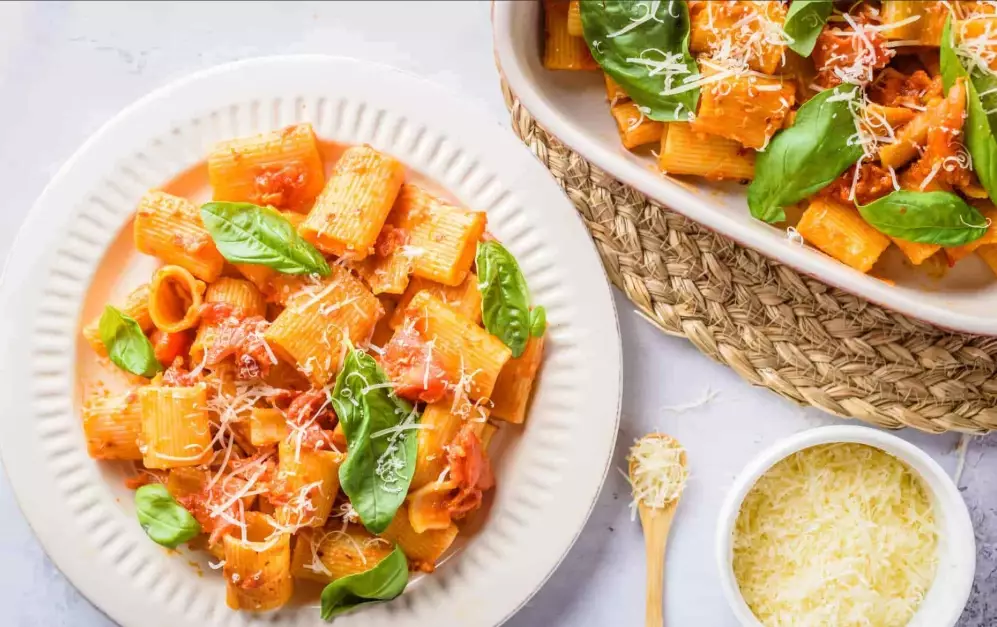
Ribollita (The Tuscan Bread Soup)
This is winter in a bowl. The name means "re-boiled," and it comes from the tradition of reheating yesterday's minestrone with leftover bread stirred in. It's thick, hearty, and gets better every day it sits. This is one of those authentic Italian vegetarian recipes that proves how satisfying beans and vegetables can be.
You need stale, rustic bread (no soft sandwich loaf), cannellini beans, black cabbage (cavolo nero), and other seasonal veggies like carrot, onion, and potato.
My friend's mom taught me to make a "soffritto"—finely chopping onion, carrot, and celery and cooking it slowly in olive oil until it's almost melting. That's your flavor base. Then you build the soup layer by layer. The final, non-negotiable step? Letting it cool completely and reheating it the next day. That's the "ribollita" part, and it transforms the texture and melds the flavors.
Focaccia Genovese
Not all bread is created equal. A good focaccia is a revelation—crispy on the bottom, impossibly soft and airy inside, dimpled with pools of salty olive oil. It's also surprisingly easy, even if you're scared of yeast.
The secret is a very wet dough and time. You'll mix it, and it will look like a shaggy, sticky mess. That's good. You let it rise for a long time (overnight in the fridge is perfect), which develops incredible flavor. Then you stretch it into an oil-slathered pan, press your fingers in to make those classic dimples, and let it rise again.
Before baking, you pour a brine of water and salt over it. This sounds crazy, but it creates a moist environment for the oven spring and helps form that amazing crispy-yet-tender crust. Top it with just coarse salt and maybe some rosemary. Don't overload it with toppings; you want to taste the bread and the oil.
I messed this up the first three times by using water that was too hot and killing the yeast. Use warm water, not hot. Test it on your wrist like a baby's bottle.
Melanzane alla Parmigiana (Eggplant Parmesan)
This is the king of comfort food. But the restaurant version—soggy, breaded eggplant slices drowning in too much cheese and sauce—does the dish a disservice. The authentic version is lighter, more layered, and lets the eggplant shine.
The key is in prepping the eggplant. You slice it, salt it generously, and let it sit for an hour. This draws out the bitter juices. Then you pat it dry. Some people fry the slices, but I've started brushing them with oil and roasting them until golden. It's less messy and just as good, in my opinion.
Then you layer: a little tomato sauce, eggplant, torn basil, slices of mozzarella (the fresh kind that comes in water, not the low-moisture block), and a dusting of Parmigiano. Repeat. You want a balance, not a landslide of cheese. Bake until bubbly and browned. Let it rest for at least 20 minutes before cutting, or it will be a saucy mess.
Pasta e Ceci (Pasta with Chickpeas)
This is the ultimate pantry meal. It's creamy, savory, and feels like a hug. You can make it brothy like a soup or thicker like a stew. I prefer it thick, where the chickpeas break down a little and thicken the sauce.
Sauté rosemary and garlic in oil until fragrant. Add cooked chickpeas (canned are fine, just rinse them) and let them toast for a minute. Add water or a light vegetable broth and simmer. Use a potato masher or the back of a spoon to crush some of the chickpeas—this is the trick for creaminess without cream. Add small pasta (ditalini, small shells) right into the pot and cook until al dente. Finish with loads of black pepper and Parmigiano.
Leveling Up: Techniques That Make All The Difference
Anyone can follow a recipe. To really cook Italian food, you need to understand a few core ideas. These aren't hard rules, but they're the thinking behind the recipes.
Respect the Pasta Water: That cloudy, starchy water is liquid gold. Always reserve a cup before you drain your pasta. When you toss the pasta with its sauce, add splashes of this water. The starch emulsifies with the oil and cheese, creating a silky, cohesive sauce that clings to every strand. Your pasta won't be dry or oily; it'll be perfect.
Finish in the Pan: Never just dump sauce on top of cooked pasta. Always, always finish cooking the pasta in the sauce for the last minute or two. This is called "mantecatura." The pasta absorbs the flavor of the sauce, and the sauce thickens around the pasta. It's the single most important step for pasta dishes.
Embrace "Al Dente": Pasta should have a bite, a slight resistance in the center. It's more satisfying to eat and digests better. Start tasting it a good 2-3 minutes before the package says it will be done.
Grate Your Own Cheese: I know I sound like a broken record, but pre-grated cheese is coated to prevent clumping. That coating prevents it from melting properly into a sauce. A microplane grater makes quick work of a chunk of Parmigiano, and the flavor is incomparable.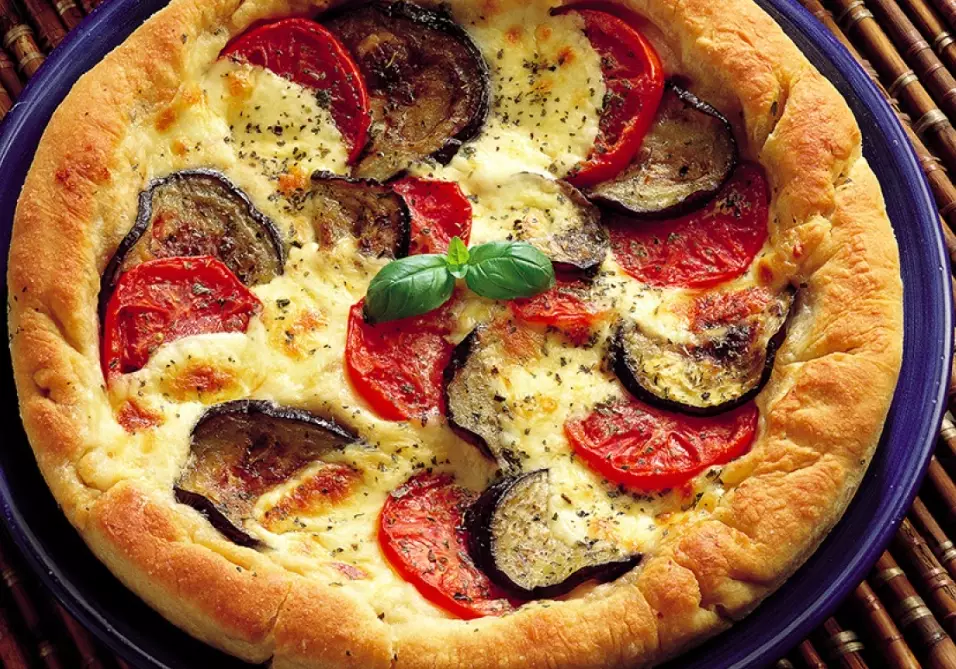
Your Italian Vegetarian Recipes Questions, Answered
I get asked a lot of the same things when people start exploring this cuisine. Here are the real answers, no fluff.
- A good-quality vegetarian hard cheese (look for ones aged like Piave Vecchio or Grana Padano labeled with microbial rennet).
- Nutritional yeast, sprinkled on at the end (it won't melt the same, but adds savoriness).
- Toasted breadcrumbs with lemon zest and a little salt (adds great texture on pasta).
- For a deeper dive into cheese alternatives and traditional methods, the Emilia-Romagna region's agricultural board has fascinating resources on dairy production, though they obviously champion the traditional DOP product.
1. Aglio, Olio e Peperoncino: Pasta with garlic, oil, and chili flakes. It's done in the time it takes to boil water.
2. Bruschetta: Toasted bread rubbed with garlic, topped with chopped tomatoes, basil, salt, and oil.
3. White Bean Salad: Canned cannellini beans, red onion, parsley, lemon juice, olive oil. Done.
Look, diving into Italian vegetarian recipes isn't about restriction. It's the opposite. It's opening a door to a whole world of flavor that's been there all along, based on simplicity, quality, and respect for ingredients. It's forgiving, it's flexible, and it's meant to be shared. So grab a bottle of olive oil, some good tomatoes, and just start. You might be surprised at what you can create.
And hey, if your focaccia is a little flat or your pomodoro isn't perfect the first time? That's okay. Mine wasn't either. Just keep cooking, keep tasting, and enjoy the process. That's the real Italian way.
Related Articles
Authentic Italian Porchetta Recipe: Crispy, Juicy Roast Pork
Traditional Italian Recipes from Scratch: The Heart of Home Cooking
Authentic Italian Love Cake Recipe: The Ultimate 3-Layer Dessert Guide

The number has increased nearly fourfold in ten years, and the global digital ba

Thailand car market survey: sales and prices plunged, and Sino-Japanese competit

When going on a long vacation, are electric cars really more "cowardly" than fue
Authentic Italian Beef Sandwich Recipe | Easy Homemade Guide
Authentic Italian Pizzelle Recipe: Crispy, Classic & Easy
Authentic Pasta Carbonara Recipe: The Real Italian Way

Restarting private investment|"Caijing" special report
Ultimate Italian Sliders Recipe: Party-Perfect and Irresistible

Industry Observation|Running at a new speed of trade finance, Bohai Bank's "Boyi

How to Assemble Italian Sliders: The Ultimate Guide for Perfect Party Food

Still have to rely on Zhengzhou Foxconn? The truth about the swing between Apple

Two 1 billion US dollars of large model financing, Internet giants are starting
Authentic Italian Stromboli Recipe: Easy Homemade Guide for Perfect Results

The RMB exchange rate against the US dollar rose to a high point this year
Master Authentic Italian Recipes: The Ultimate Guide to Real Italian Cooking
Real Italian Salad Recipes: Authentic Classics & Modern Twists

Authentic Italian Hot Chocolate Recipe: Rich, Thick & Easy
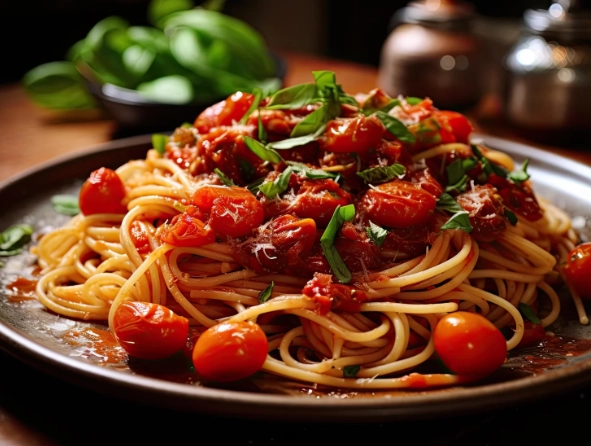
Authentic Italian Cuisine Recipes: From Classics to Regional Secrets

The largest IPO in the A-share market in 13 years has been terminated, and it wa

Authentic Italian Cookie Recipes: From Biscotti to Amaretti

Sudden bad news! A-shares plunged, Hong Kong stocks fell more than 2%, and there
Traditional Italian Vegetarian Recipes: Classics Beyond Pasta
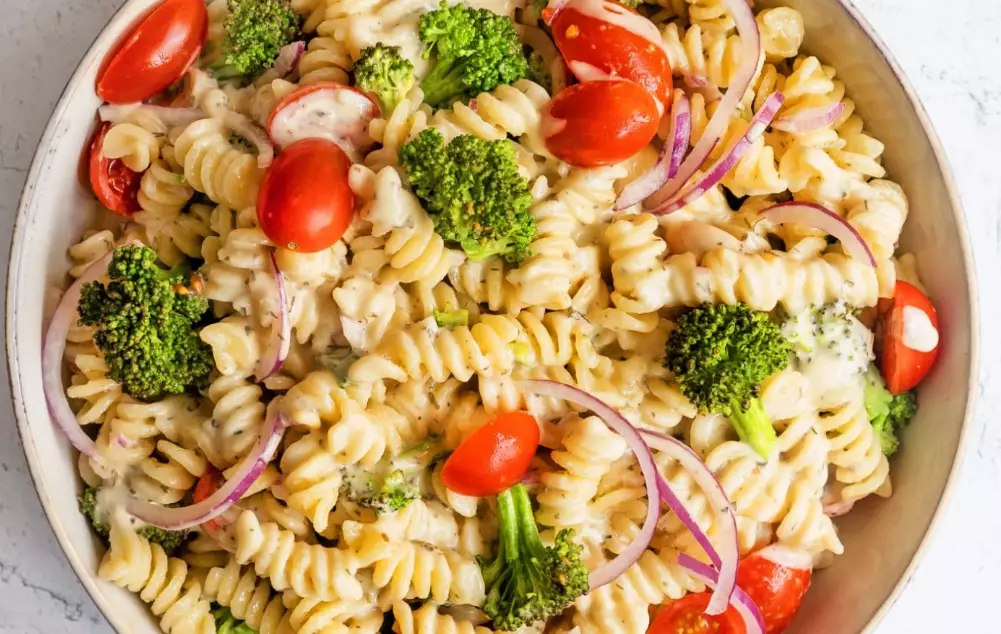
Easy Pasta Salad Recipes with Italian Dressing for Crowd-Pleasing Meals
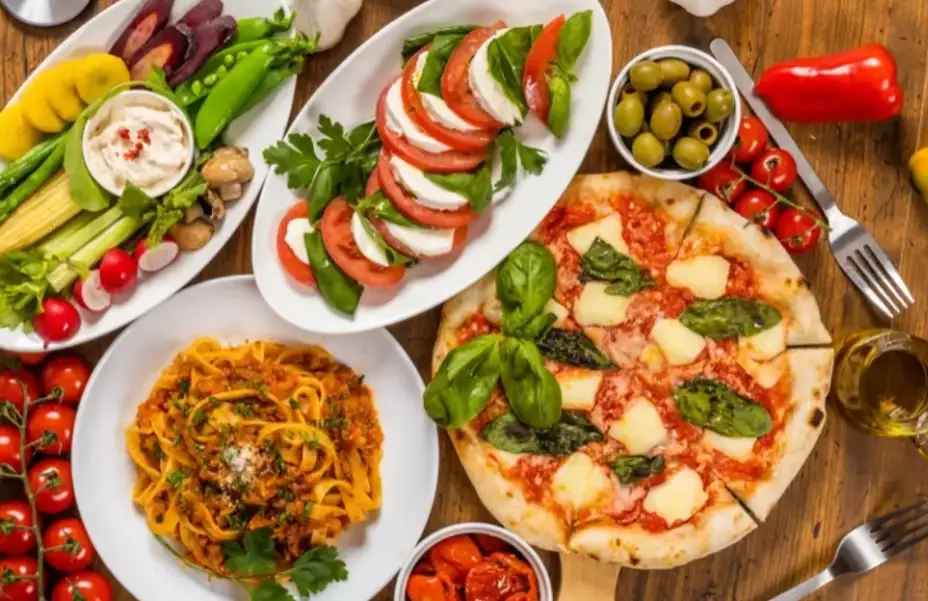
What to Bring to an Italian Dinner Party: The Ultimate Guest's Guide
Italian Sausage Recipes: From Classic Pasta to Grilled Skewers
Mastering Classic Italian Baked Dishes: Recipes & Secrets
Leave a Comment