Authentic Italian Family Meal Recipes: From Antipasti to Dolce
Quick Navigation
Let's talk about real Italian food. Not the fancy restaurant stuff with tiny portions and drizzles of sauce, but the food that fills a home with smells that make your stomach rumble from the street. The kind of meal where the pasta pot is always bigger than you need, just in case someone shows up unannounced (and they always do). That's what Italian family meal recipes are all about. It's less about perfection and more about abundance, sharing, and that feeling of contentment that settles over the table after a good, honest feed.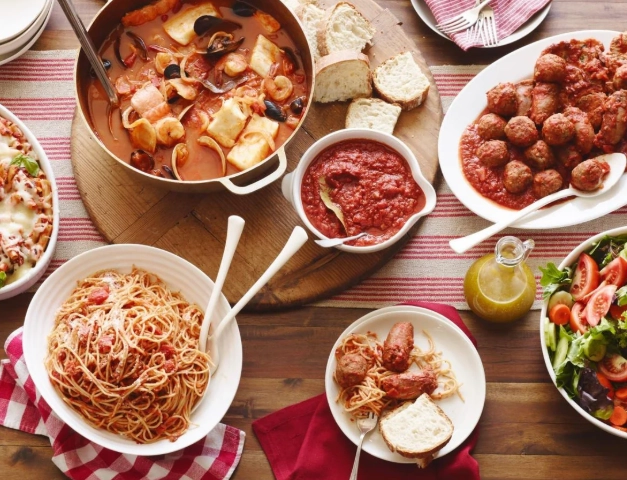
I remember the first time I was invited for a proper Sunday lunch at my friend Luca's house near Bologna. I showed up expecting maybe a pasta and a main. Five hours later, we were still at the table, picking at cheese and arguing about football. There were at least six courses, but it never felt heavy or excessive. It felt like a journey, a slow, delicious conversation with food. That's the rhythm I want to help you capture.
Building Your Italian Family Feast: The Structure
Before we dive into pots and pans, it helps to know the map. A traditional Italian family meal, especially for a Sunday or holiday, has a loose structure. You don't need to do every single part, but understanding the flow helps you plan and pace yourself.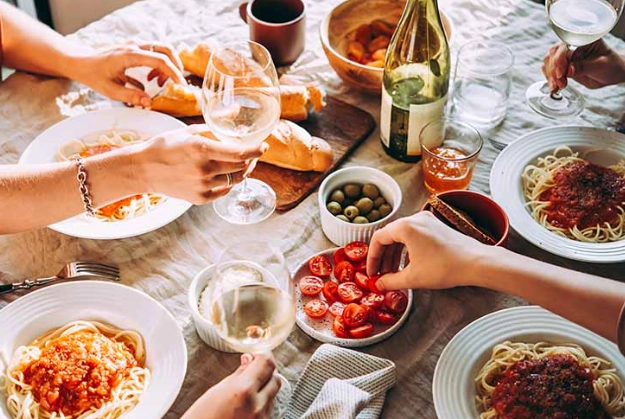
Starters (Antipasti): The Gentle Welcome
This isn't a heavy appetizer. Think of it as a way to wake up the palate and give people something to nibble on while the final touches are made in the kitchen. It's casual, often assembled, not cooked. The key here is variety and simplicity.
A great antipasti platter might have a few slices of prosciutto crudo or salami, some marinated olives, a bowl of roasted almonds, a few chunks of Parmigiano-Reggiano or Pecorino Romano, and some slices of bruschetta. The bruschetta is a perfect start—grilled bread rubbed with garlic, topped with diced tomatoes, basil, salt, and a glug of your best olive oil. It's fresh, it's fast, and it screams Italy.
You could also do something like marinated artichoke hearts or mushrooms from a good deli jar. Don't stress about making everything from scratch here. The point is to be with your guests, not stuck at the stove.
Aperitivo in hand, a few bites on the plate. The meal has begun.The First Course (Primo Piatto): The Heart of the Home
This is where traditional Italian dinner recipes truly shine. The primo is usually a starch-based dish: pasta, risotto, gnocchi, or soup. For a family meal, pasta is the undisputed champion. And we're not talking about a light, single-serving portion. We're talking about a big, communal bowl or platter.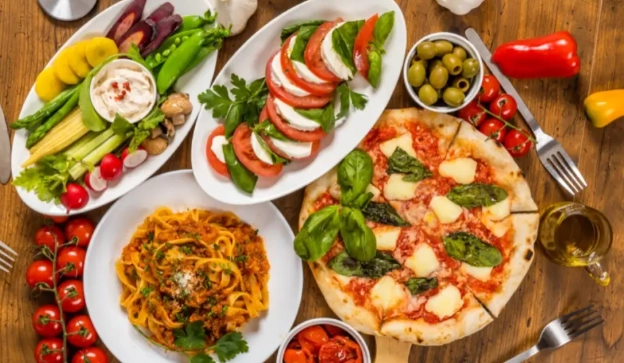
The sauce is everything. For a classic, crowd-pleasing Italian family meal, you can't beat a well-made Ragù alla Bolognese. It's a slow-cooked meat sauce that fills the house with an incredible aroma for hours. It takes time, but most of that is unattended simmering. The payoff is immense. Another superstar is Amatriciana—guanciale (cured pork cheek), tomatoes, pecorino cheese, and a kick of black pepper. It's smoky, salty, and utterly addictive.
The Second Course (Secondo Piatto): The Main Event (Sometimes)
Here's a secret: after a hearty primo, the secondo often takes a backseat. It's frequently a simpler, protein-focused dish. A roast chicken (pollo al forno) with potatoes and rosemary is a fantastic choice. The potatoes cook in the chicken drippings and become the most sought-after part of the dish.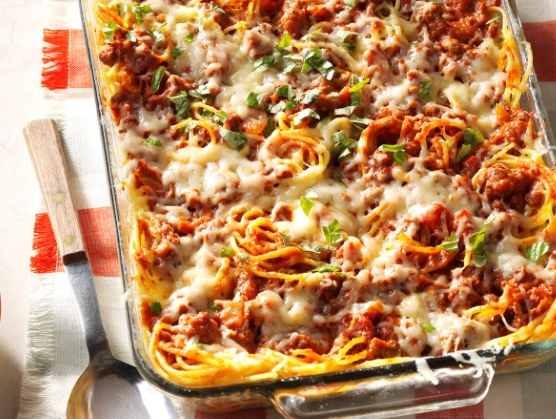
Alternatively, you could do arrosto di maiale (pork roast) or involtini di carne (thin beef rolls stuffed with breadcrumbs, cheese, and herbs). For a lighter option, especially in summer, consider a simple baked fish with lemon and herbs, or even just a platter of grilled sausages and peppers. The goal is something that doesn't require last-minute fussing.
I find that a roast is the most forgiving. You pop it in the oven, set a timer, and forget about it until the beep. It gives you time to focus on the pasta and enjoy your company.
Side Dishes (Contorni) & The Grand Finale
Contorni are vegetables, almost always served separately from the secondo. A big, dressed green salad (insalata mista) is essential to cut through the richness of the meal. Other popular sides are sautéed spinach with garlic and lemon, roasted seasonal vegetables (like zucchini, eggplant, and peppers), or cannellini beans stewed with sage and olive oil.
Then, dessert (dolce). Keep it simple. A bowl of fresh seasonal fruit is perfectly acceptable. A store-bought tiramisu or panettone (if it's the season) is a huge hit. If you want to bake, a simple crostata (jam tart) or almond cookies (amaretti) are wonderful. The meal ends with an espresso, maybe a digestivo like limoncello, and a lot of happy sighs.
Your Go-To Italian Family Meal Recipe Lineup
Let's get practical. Here are some cornerstone Italian family meal recipes that are reliable, delicious, and designed to feed a group. I've included a mix of "project" recipes for slow Sundays and quicker ones for busy weeknights.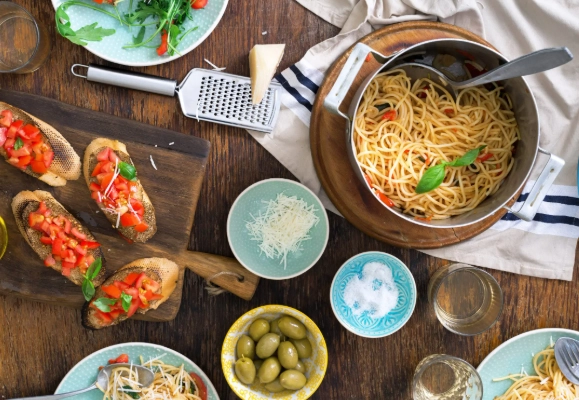
| Dish Name | Key Ingredients | Prep/Cook Time | Difficulty | Why It's a Family Favorite |
|---|---|---|---|---|
| Sunday Ragù (Bolognese Style) | Ground beef/pork, pancetta, soffritto (celery, carrot, onion), tomato passata, milk, white wine | ~30 min prep, 3+ hours simmering | Medium (requires patience) | Deep, rich, meaty flavor that improves over days. Freezes beautifully. The ultimate comfort food. |
| Pasta all'Amatriciana | Guanciale (or pancetta), canned San Marzano tomatoes, pecorino Romano, chili flake | 25 minutes total | Easy | Bold, salty, and slightly spicy. Comes together in the time it takes to boil pasta. Huge flavor payoff. |
| Pollo alla Cacciatora (Hunter's Chicken) | Chicken thighs, onions, garlic, rosemary, white wine, tomatoes, olives (optional) | ~50 minutes | Easy-Medium | A one-pan wonder. Juicy chicken in a savory, herbaceous sauce. Feels rustic and hearty. |
| Minestrone Soup | Mixed seasonal vegetables (beans, potatoes, greens, zucchini), pasta or rice, pesto | ~45 minutes | Easy | Nutritious, flexible (clean out the fridge!), and makes a huge pot. Perfect with crusty bread. |
| Tiramisu | Savoiardi (ladyfingers), mascarpone, eggs, sugar, espresso, cocoa powder | 30 min prep + chilling | Medium | No baking required. Creamy, coffee-infused, and always impressive. Make it a day ahead. |
That ragù recipe, honestly, is a weekend project. But making a big batch is one of the best investments you can make for your freezer. Future-you on a Wednesday night will be eternally grateful.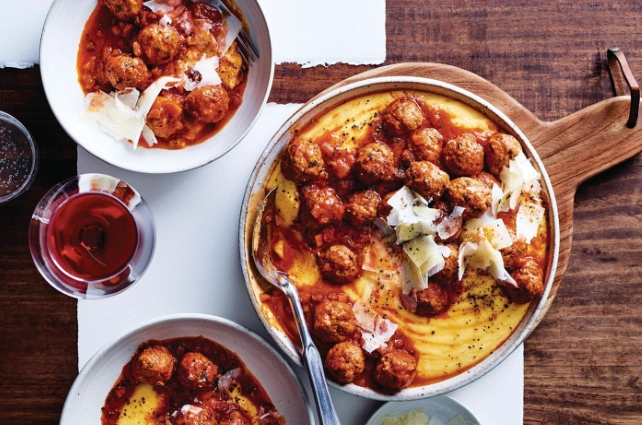
The Real Talk: Budget, Time, and Common Hurdles
Let's be real. Cooking a multi-course meal can seem daunting and expensive. It doesn't have to be. The beauty of easy Italian family meals is in their adaptability.
Eating Like an Italian Family Without Breaking the Bank
Italian home cooking is fundamentally cucina povera—the cooking of the poor. It's ingenious with inexpensive ingredients.
- Embrace Beans & Lentils: Pasta e fagioli (pasta and beans) is a national treasure. A pot of lentil soup (zuppa di lenticchie) is nourishing and costs pennies per serving.
- Buy Whole Chickens: Learn to break them down (or ask your butcher). You get breasts, thighs, wings, AND a carcass for stock. Much cheaper than buying parts.
- Frozen Vegetables are Fine: For soups, stews, or adding to pasta sauces, frozen peas, spinach, or mixed vegetables work perfectly and reduce waste.
- Make Your Own Breadcrumbs: Stale bread blitzed with herbs is infinitely better and cheaper than the packaged stuff. Use them for meatballs, breading, or topping pasta (like Pasta con la Mollica).
I used to think I needed expensive ingredients to cook Italian food. Then I lived there. The best meals were often the simplest, made with just a few, high-quality but humble components.
Where Most Home Cooks Go Wrong (And How to Fix It)
- Underseasoning the Pasta Water: I've said it before, I'll say it again. Your water needs to be salty. This is the pasta's only chance to get seasoned from within.
- Overcooking the Pasta: Fish it out 1-2 minutes BEFORE the package says "al dente." It will finish cooking in the sauce. Mushy pasta is a tragedy.
- Saucing Pasta Wrong: Don't just plop sauce on top. Drain the pasta, add it directly to the skillet with your sauce, along with a splash of the starchy pasta water. Toss, toss, toss over heat until the sauce emulsifies and clings to every strand. This is called "mantecare." It's a game-changer.
- Using Pre-Grated Cheese: The anti-caking agents prevent it from melting properly. Buy a block of Parmigiano-Reggiano or Pecorino and grate it fresh. The flavor difference is night and day.
- Rushing the Soffritto: That base of diced onion, carrot, and celery needs to sweat slowly in olive oil until soft and sweet, not brown quickly. This builds foundational flavor.
Answering Your Italian Family Meal Questions
I get a lot of questions from friends trying to pull this off. Here are the ones that come up all the time.
Digging Deeper: The Culture Behind the Food
To really cook these Italian family meal recipes with spirit, it helps to understand a bit of the "why" behind them. Italian food is deeply regional. A ragù in Bologna is different from one in Naples. The website of the Italian National Tourist Board is a fantastic resource to explore the different culinary regions, from the butter-based dishes of the North to the olive oil and tomato-centric cuisine of the South.
Furthermore, the Slow Food movement, born in Italy, champions the very principles of a family meal: local, seasonal ingredients, traditional knowledge, and taking the time to enjoy eating. Checking out the Slow Food Foundation website can give you inspiration for sourcing ingredients and understanding their philosophy of "good, clean, and fair" food.
This isn't just about following steps. It's about embracing a slower, more connected way of eating. It's about turning off the TV, putting phones away, and actually talking while you pass around a bowl of pasta.
So grab a big pot, put on some music, and start with the soffritto. Your own Italian family meal is waiting to happen.
Related Articles
Authentic Italian Salads: Types, Recipes & Where to Eat
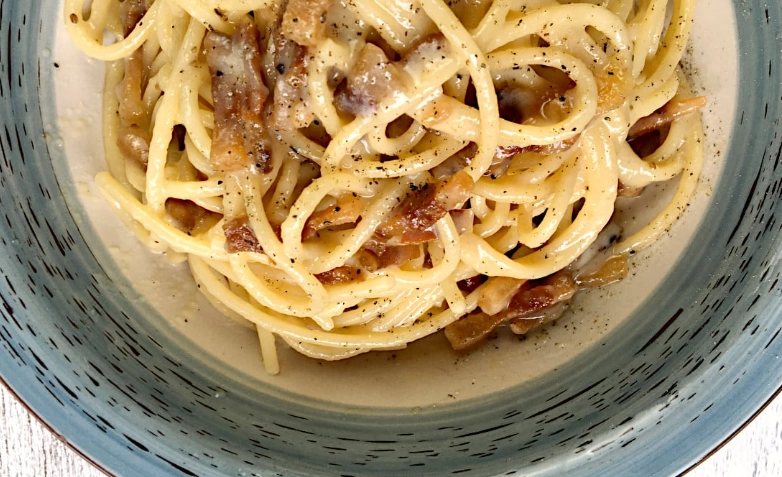
Authentic Spaghetti Carbonara Recipe: The Real Italian Method (No Cream!)
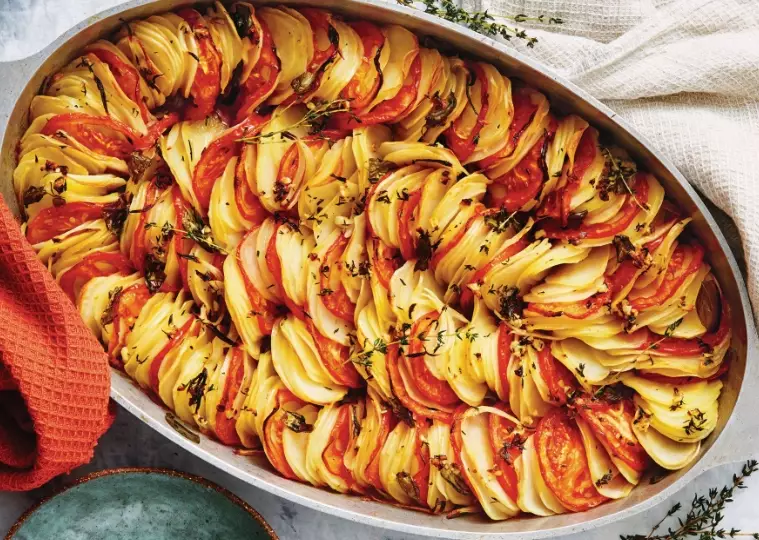
Simple Italian Baked Dishes: Easy Recipes for Lasagna, Eggplant & Focaccia
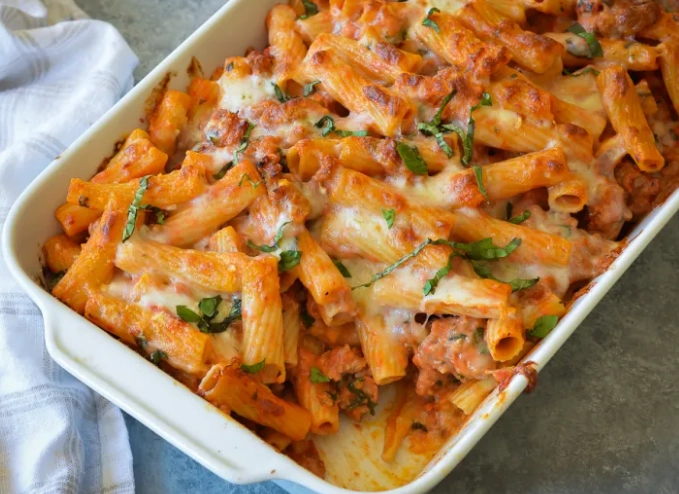
Traditional Italian Baked Ziti Recipe: Authentic Step-by-Step Guide

The fourth wave of internationalization of global auto companies, how can China