The Heart of Italy on Your Plate: Timeless Traditional Italian Recipes & Kitchen Wisdom
Your Italian Cooking Compass
- The Unbreakable Rules of Authentic Italian Cooking
- The Holy Trinity of the Italian Pantry
- Mastering the Classics: A Deep Dive into Foundational Traditional Italian Recipes
- Navigating Italy's Regional Mosaic Through Food
- Top 5 Mistakes That Scream 'I'm Not Authentic' (And How to Fix Them)
- Answering Your Burning Questions About Traditional Italian Recipes
- Bringing It All Home: Your Next Steps
Let's be honest. We've all had that moment. You order a plate of pasta at a restaurant, or you try a recipe from some random website, and it's... fine. But it's not that taste. It's not the deep, soul-warming, perfectly balanced flavor you remember from that little trattoria in Rome or that meal at your Italian friend's nonna's house. Something's missing. I've been there too, spending years wondering why my "Italian" cooking never tasted quite right until I slowed down and listened to what the food was trying to say.
Traditional Italian recipes aren't just a list of ingredients. They're a blueprint for a way of life centered around quality, simplicity, and respect for the raw materials. It's about the soffritto (that magical base of onion, carrot, and celery) cooked slowly until sweet, not burned. It's about knowing which tomato to use and when. It's about understanding that sometimes, less truly is more. This isn't about fancy techniques you need a culinary degree to master. It's about getting the fundamentals right. And honestly? Once you get those, everything changes.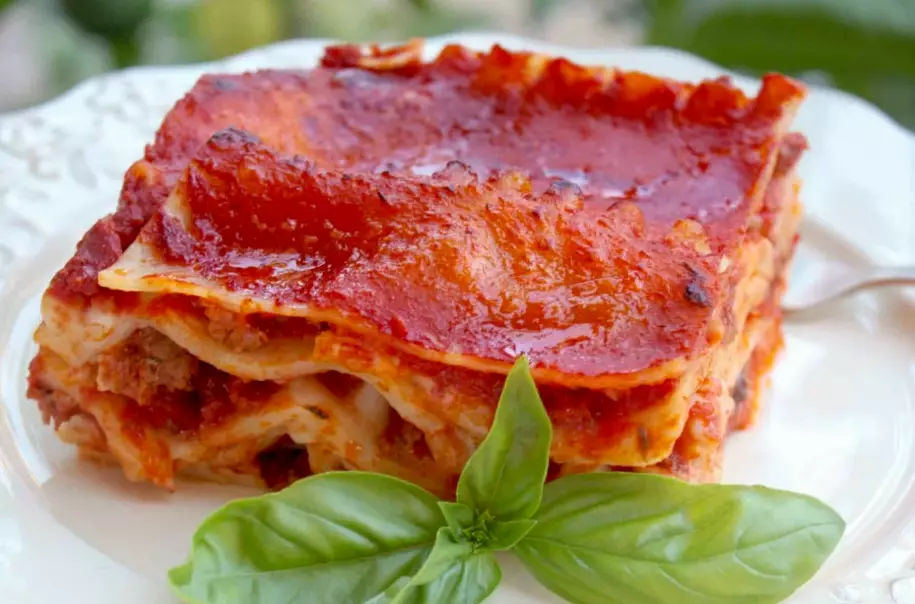
The Unbreakable Rules of Authentic Italian Cooking
Before we dive into specific traditional Italian recipes, we need to talk about the philosophy. Break these rules, and you're cooking something else—maybe something tasty, but not authentically Italian.
First, seasonality is king. You won't find a traditional recipe for a fresh tomato and basil caprese salad in the middle of a grey January in most of Italy. They'd use preserved tomatoes or a different vegetable altogether. The dish is designed to celebrate the tomato at its peak. This connection to the land and the calendar is non-negotiable.
Second, regionality defines everything. Italy was unified as a country relatively recently. For centuries, it was a collection of distinct regions, often separated by mountains, each developing its own cuisine based on what was locally available. What they eat in Sicily is worlds apart from what's on the table in Piedmont. Asking for "Italian food" is like asking for "American food"—the answer could be a Maine lobster roll or Texas barbecue. We'll get into that later.
Third, quality over quantity, always. You'll use fewer ingredients, but each one must be the best you can reasonably source. A drizzle of vibrant, peppery extra virgin olive oil from a recent harvest will do more for a dish than a cup of bland oil. A small piece of real Parmigiano Reggiano, aged for 24 months, grated fresh, is a universe away from the pre-shaken, anti-caking agent-filled stuff in a green can. This is where most home cooks, myself included in my early days, go wrong. We skimp on the olive oil or buy the pre-grated cheese to save a few minutes, and the whole dish suffers for it.
The Holy Trinity of the Italian Pantry
You can't build a house without a foundation. You can't cook traditional Italian recipes without these three pillars in your kitchen. Think of them as your culinary safety net.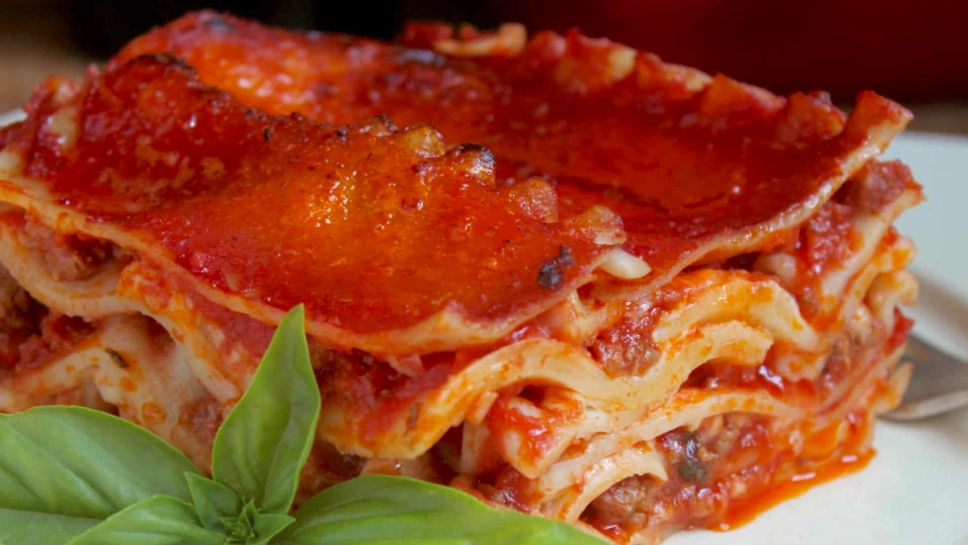
Canned Tomatoes: Since fresh, ripe tomatoes aren't always available, a good canned tomato is essential. For cooked sauces like marinara, whole peeled San Marzano tomatoes are the gold standard. They have a protected designation of origin (DOP), meaning they're grown in a specific region of Italy under strict rules. They're less watery, sweeter, and have fewer seeds. For a quick, fresh-tasting sauce, I sometimes prefer high-quality cherry tomatoes in puree. The difference in your final sauce is night and day. I made the mistake of using generic "stewed tomatoes" once. Never again. The sauce was weirdly sweet and had a tinny aftertaste.
Beyond these, your pantry should have good pasta (bronze-died for rough sauce adhesion), dried beans, high-quality aceto balsamico (for finishing, not the cheap, syrupy kind), arborio or carnaroli rice for risotto, and a selection of dried herbs and spices—oregano, rosemary, bay leaves, and fennel seeds being the big ones.
Mastering the Classics: A Deep Dive into Foundational Traditional Italian Recipes
Let's get practical. Here are a few cornerstone dishes that will teach you more about Italian cooking than any cookbook theory. I'm giving you the *why* behind the steps, not just the instructions.
The Perfect Pot of Pasta
It seems simple, right? Boil water, add pasta, drain. I thought so too. Then I learned how wrong I was. For 100g of dried pasta, you need at least 1 liter of water. The water must be as salty as the sea—this is the only chance to season the pasta itself. Don't add oil to the water; it prevents the sauce from sticking later. Add the pasta to vigorously boiling water, stir immediately to prevent sticking, and cook until it's *al dente*—"to the tooth." It should have a slight resistance when you bite it. This is crucial for texture and digestion.
But here's the real game-changer: the *mantecatura*.
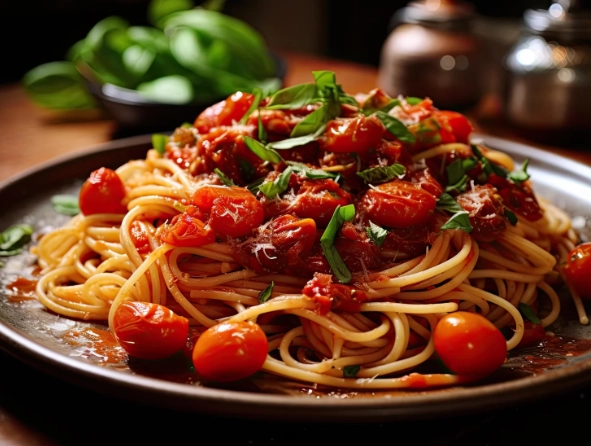
Never, ever just drain your pasta and plop sauce on top. Instead, a minute or two before the pasta is done, scoop out a cup of that starchy pasta water. Drain the pasta, then add it immediately to your waiting sauce in a pan. Add a splash of that magical starchy water and toss, toss, toss over low heat. The starch emulsifies with the fat in the sauce (oil, butter, cheese), creating a creamy, silky coating that clings to every strand. This one technique elevated my pasta from "home-cooked" to "restaurant-quality" overnight.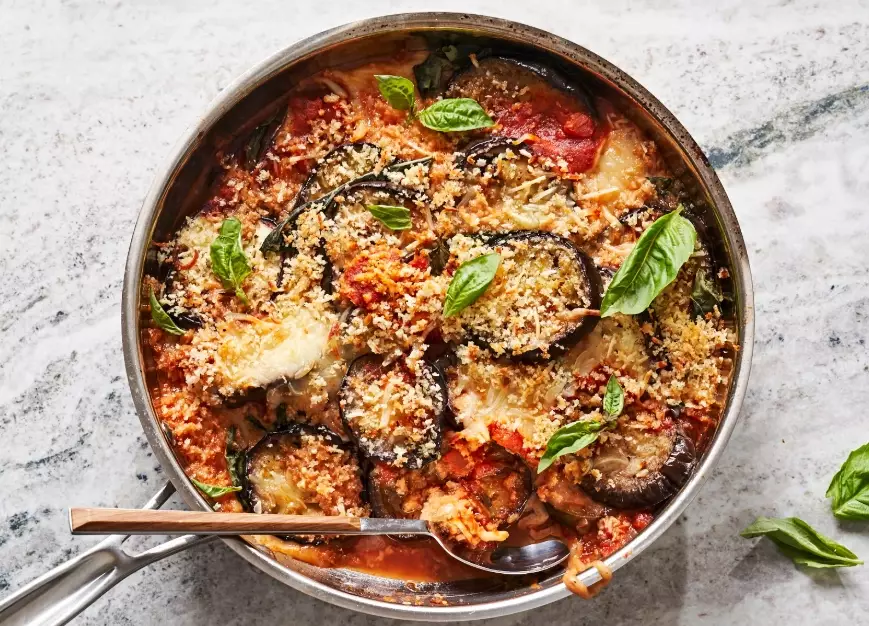
The Real Ragù alla Bolognese
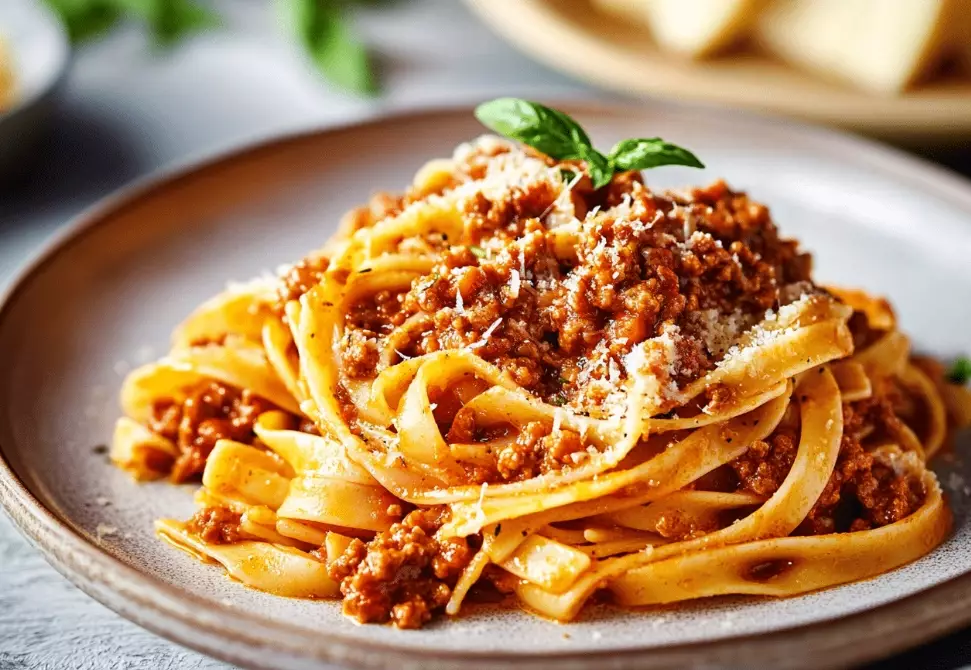
Forget everything you know about a meaty, tomato-heavy "spaghetti bolognese." The authentic ragù from Bologna is a different beast—a slow-cooked, milk-braised, minimally tomato-ed meat sauce. It's about depth, not acidity.
You start with a *soffritto* of onion, carrot, and celery, diced impossibly fine (a food processor is cheating, but I use it sometimes when I'm short on time—don't tell the nonnas). Cook it gently in butter and a little oil until it's soft and sweet, not colored. Then add a mix of ground meats—often equal parts beef, pork, and sometimes veal. Let the meat lose its pinkness and begin to *sizzle* in its own fat. This step, called *rosolatura*, builds flavor through caramelization.
Now, the wine. Use a dry white wine, not red. Let it evaporate completely. Then add a small amount of tomato paste or passata, and here's the key: add whole milk. Yes, milk. It tenderizes the meat and rounds out any sharpness. Let it simmer, then add just enough broth or water to barely cover. Now, the hardest part. You put the lid on, turn the heat to the lowest possible setting, and walk away for at least two, preferably three, hours. Stir occasionally. It should barely bubble. The result is a rich, velvety, complex sauce that's traditionally served with fresh tagliatelle or pappardelle, *never* spaghetti. Spaghetti can't hold the chunky sauce properly. The official recipe is even deposited with the Bologna Chamber of Commerce, which shows you how serious they are about it. You can read about its protected status on the Bologna Welcome tourism site.
Risotto: It's a Technique, Not a Recipe
Risotto scares people. It shouldn't. It's not difficult; it just requires your attention for 20 minutes. You can't walk away. The core principle is to toast the rice (arborio or carnaroli) in fat (butter/oil) to seal the grains, then add hot liquid one ladleful at a time, stirring constantly until absorbed before adding the next. This friction releases the rice's starch, creating the signature creamy texture without needing any cream.
The final step, the *mantecatura* (again!), is vital. Off the heat, you stir in cold butter and grated cheese vigorously. This creates an incredible, glossy finish. My biggest fail? Using the wrong rice. I tried with regular long-grain once. It was a gluey, sad mess. Carnaroli rice, with its higher starch content and firmer core, is more forgiving than arborio, in my opinion.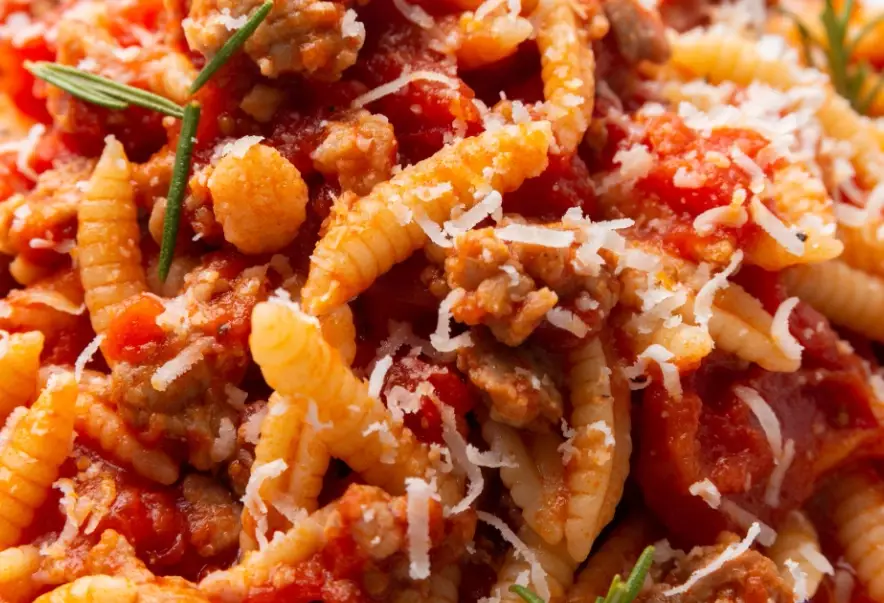
Navigating Italy's Regional Mosaic Through Food
This is where traditional Italian recipes get really exciting. Each region is a world of its own.
| Region | Signature Dishes & Ingredients | The Vibe |
|---|---|---|
| Campania (Naples) | Pizza Margherita, Mozzarella di Bufala, Spaghetti alle Vongole, Babà. Tomato central! | Vibrant, bold, sunny flavors from the coast and volcanic soil. |
| Emilia-Romagna (Bologna, Parma) | Tagliatelle al Ragù, Tortellini in Brodo, Prosciutto di Parma, Parmigiano Reggiano, Aceto Balsamico Tradizionale. | The "food valley" of Italy. Rich, buttery, pork-centric, and obsessed with handmade pasta. |
| Sicily | Pasta alla Norma (with eggplant), Arancini, Caponata, Cassata, Cannoli. Tons of citrus, almonds, and Arab influences. | A wild mix of Greek, Arab, and Norman history. Sweet & sour flavors, incredible seafood. |
| Piedmont | Tajarin (thin egg pasta) with white truffles, Brasato al Barolo (beef braised in wine), Agnolotti del Plin, Vitello Tonnato. | Elegant, rich, wine-driven cuisine from the foothills of the Alps. Think butter, truffles, and robust red wines. |
| Lazio (Rome) | Spaghetti Cacio e Pepe, Spaghetti alla Carbonara, Saltimbocca alla Romana, Carciofi alla Romana/Judía. | Rustic, punchy, and incredibly satisfying. Based on a few perfect ingredients combined brilliantly. |
See what I mean? Trying to make a "pan-Italian" meal is a losing battle. Pick a region and explore it. If you want to understand the diversity and protection of these regional products, resources like the Qualivita Foundation track the DOP (Protected Designation of Origin) and IGP (Protected Geographical Indication) products that are the backbone of these cuisines.
Top 5 Mistakes That Scream "I'm Not Authentic" (And How to Fix Them)
I've made most of these. Let's learn from my errors so you don't have to.
- Using Garlic Powder or Dried Parsley. Just don't. Fresh garlic, minced or sliced. Fresh flat-leaf parsley, chopped at the last minute. The dried versions have a musty, dusty flavor that deadens a dish.
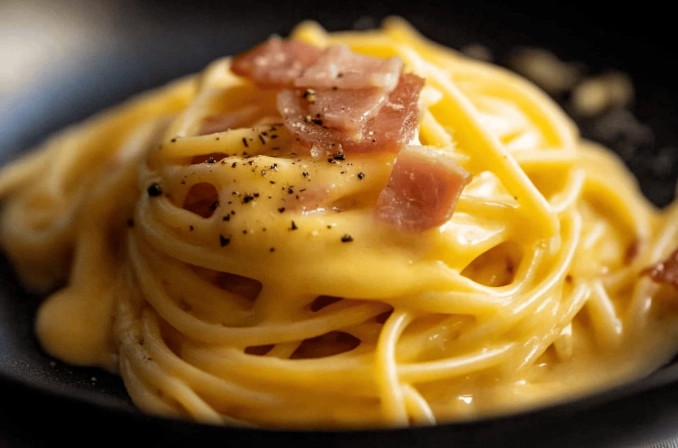
- Overcomplicating Pasta Sauces. Authentic traditional Italian recipes are often about 4-5 ingredients. Carbonara is guanciale, eggs, pecorino, pepper. Cacio e Pepe is pecorino, pepper, pasta water. Adding cream, garlic, or peas might taste good, but it's not that dish anymore.
- Overcooking the Pasta. Mushy pasta is a tragedy. Taste it a minute before the package says it's done. It should have a spine.
- Serving the Wrong Pasta Shape with the Sauce. It's not arbitrary. Long, thin strands (spaghetti, linguine) pair with oil-based or light tomato sauces. Short, tubular shapes (penne, rigatoni) grab onto chunky vegetable or meat sauces. Curly shapes (fusilli) hold pesto beautifully. It's about texture and sauce adhesion.
- Not Tasting as You Go. This is the most important rule in any kitchen, but especially here. Season in layers. Taste your soffritto. Taste the sauce before the pasta goes in. Taste after you add the pasta water. Adjust with salt, pepper, or a pinch of sugar if the tomatoes are too acidic.
Answering Your Burning Questions About Traditional Italian Recipes
Here are some things I always wondered about, and you probably do too.
Bringing It All Home: Your Next Steps
So where do you start? Don't try to overhaul your entire cooking style in a week. Pick one thing. Next time you make pasta, focus on the salt level of your water and the *al dente* texture. The time after that, master the *mantecatura* with a simple tomato sauce. Then, maybe on a lazy Sunday, try your hand at a ragù.
Invest in one or two key ingredient upgrades. A bottle of real DOP San Marzano tomatoes and a wedge of Parmigiano Reggiano you grate yourself will make a more dramatic difference than buying a new fancy pan.
Remember, the goal isn't perfection. It's connection. It's about understanding the story behind the food and respecting the process. These traditional Italian recipes have been passed down not because they're trendy, but because they work. They bring people together. They turn a meal into an experience.
The beauty of this cuisine is that once you learn its language—the slow simmer, the fresh herb, the perfectly cooked grain of rice—you can start to improvise with confidence. You'll know why you're doing what you're doing. And that, more than any specific recipe, is what will fill your kitchen with the true heart of Italy.
Now, go put on some music, pour yourself a little wine, and start chopping that *soffritto* fine. You've got this.
Related Articles

The largest IPO in the A-share market in 13 years has been terminated, and it wa

Ground Italian Sausage Recipes: The Ultimate Guide for Easy & Flavorful Dinners

Is it worth it for companies to sponsor the Olympics? | Finance looks at the Oly
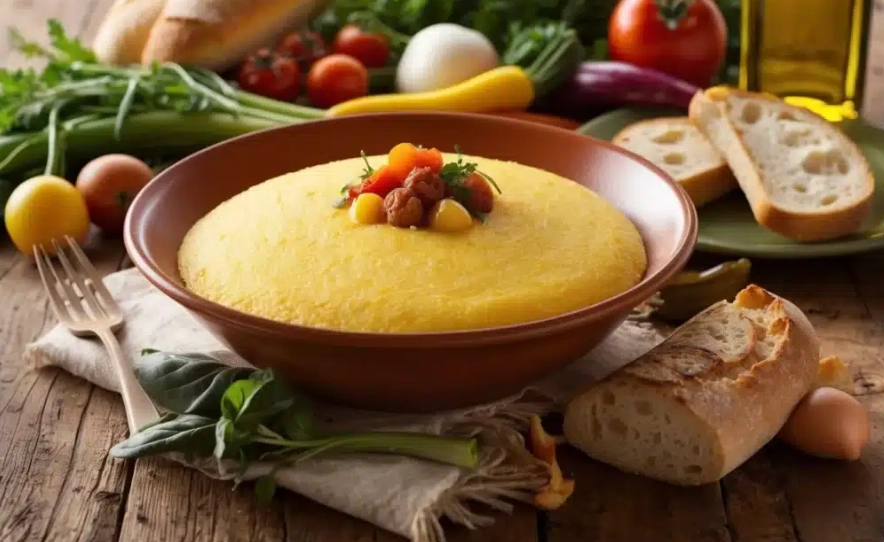
How to Make Perfect Italian Polenta: Creamy, Grilled & Fried Recipes
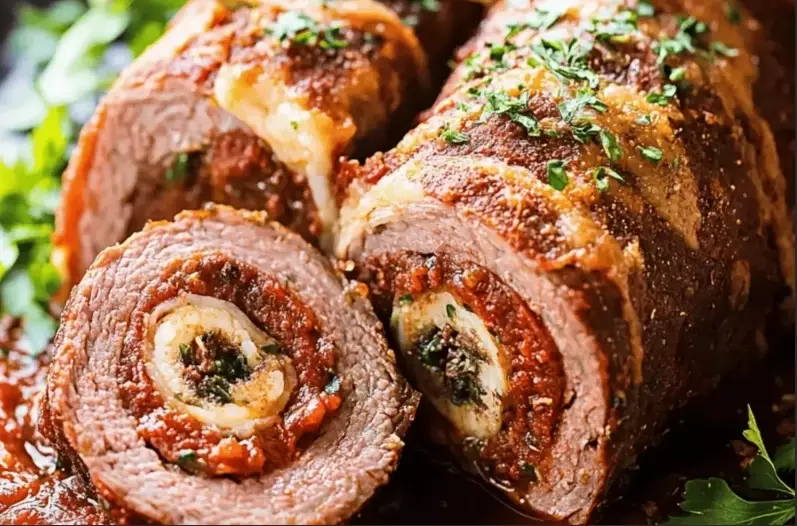
Authentic Italian Braciole Recipe: Slow-Cooked Beef Rolls

Unique Italian Appetizers: Beyond Bruschetta & Meatballs

What is the dispute over the open and closed source of large models?

Authentic Italian Zeppole Recipe: Easy Homemade Fried Dough Guide
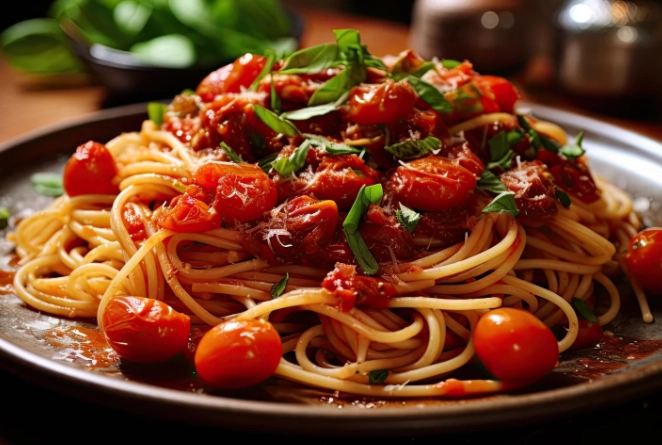
Best Italian Regional Recipes: Top 5 Dishes to Master at Home
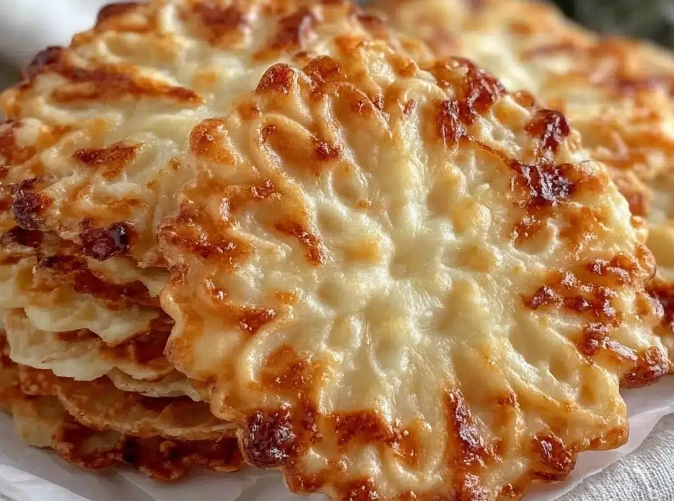
Easy Italian Pizzelle Recipe: Simple & Authentic

Classic Italian Bread Recipe: Authentic & Easy Homemade Loaf
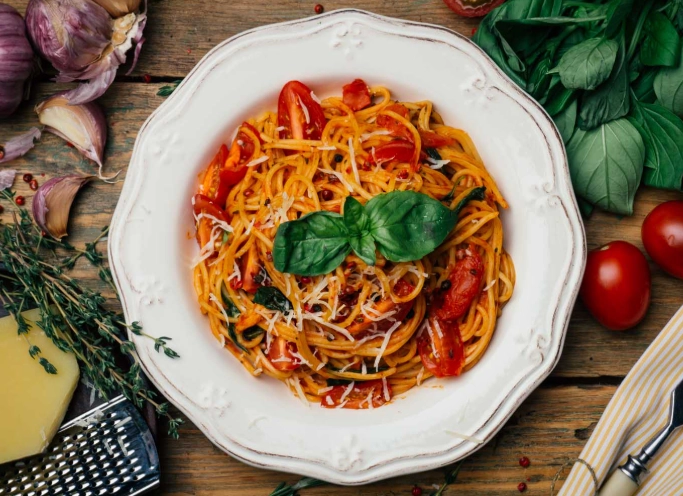
Authentic Italian Dinner Recipes: Classics for Your Table
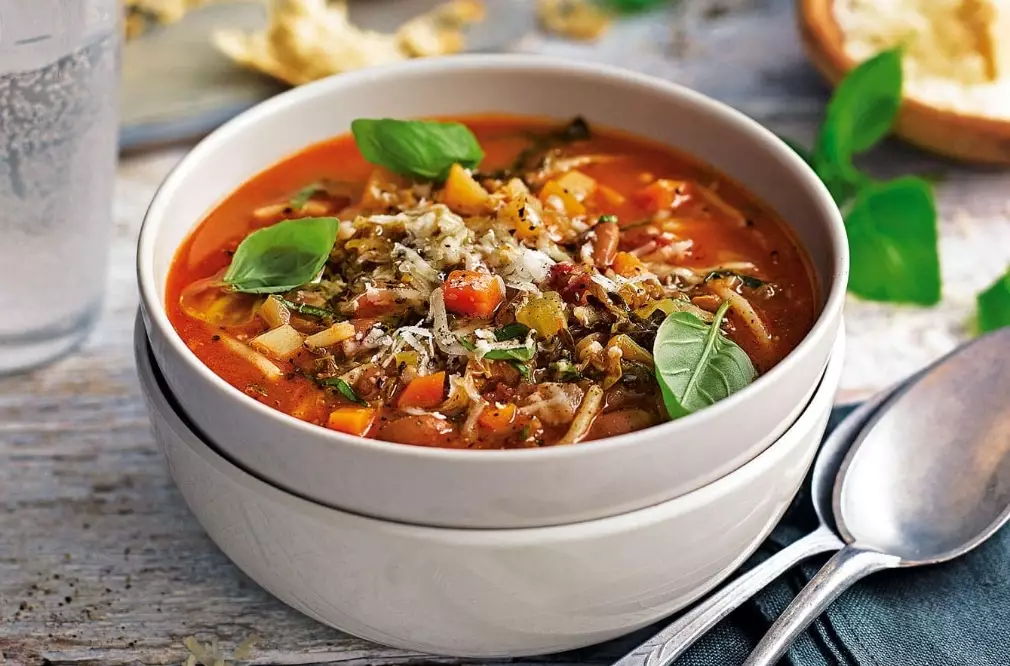
Italian Soup Recipe: Classic Minestrone & Hearty Ribollita Made Easy
4 Famous Italian Pastas: Types, History & Cooking Guide

Authentic Italian Dessert Recipes: Easy Tiramisu, Cannoli & More
The Ultimate Guide to Making Authentic Italian Lasagna at Home
Italian Buttercream Recipe: How to Make Perfectly Smooth Frosting
Ultimate Guide to the Top 10 Pasta Dishes You Must Try
Authentic Carbonara Recipe: How to Make Traditional Italian Pasta
Ultimate Italian Recipes List: From Pasta to Desserts
A Guide to Italy's Classic Dishes: Pasta, Pizza & More
Classic Italian Bolognese Recipe: Master the Authentic Ragu
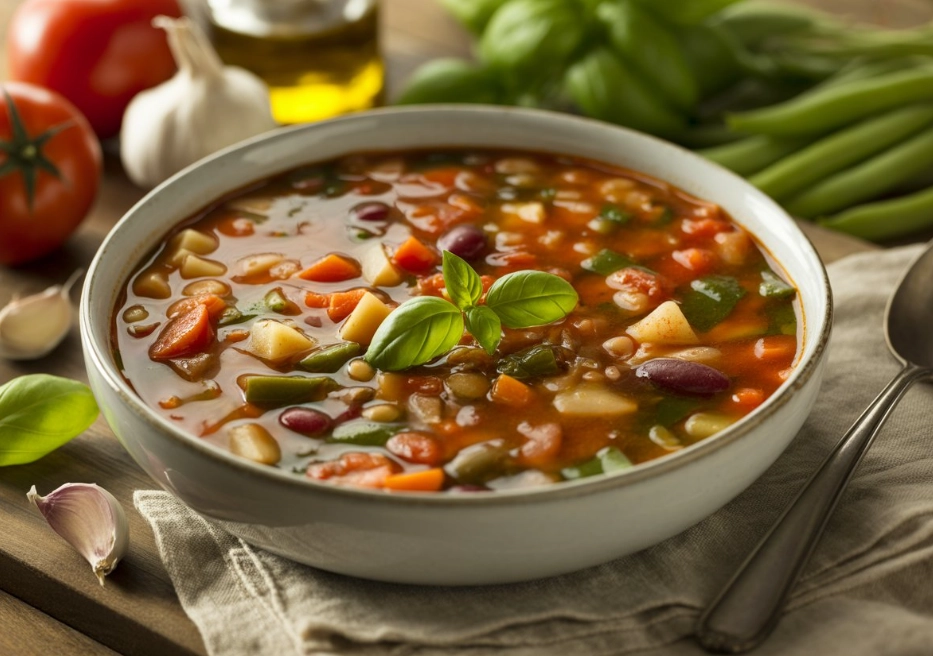
Minestrone Soup Recipe: An Italian Classic Made Simple
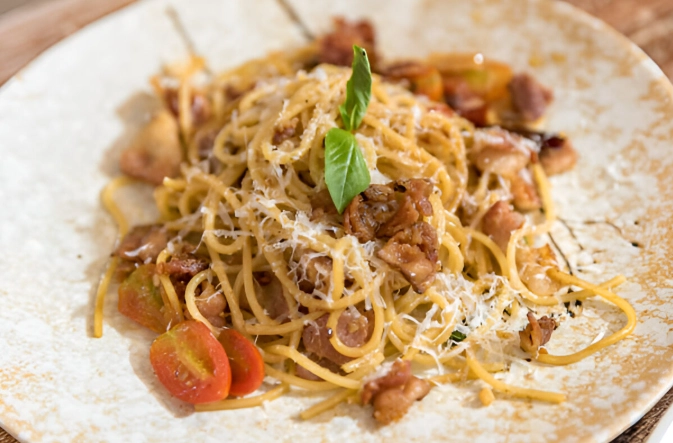
Authentic Italian Carbonara Recipe: The Only Guide You'll Ever Need

The "half-year report" of the economy of 31 provinces is released: Inner Mongoli

Industry Observation|Running at a new speed of trade finance, Bohai Bank's "Boyi
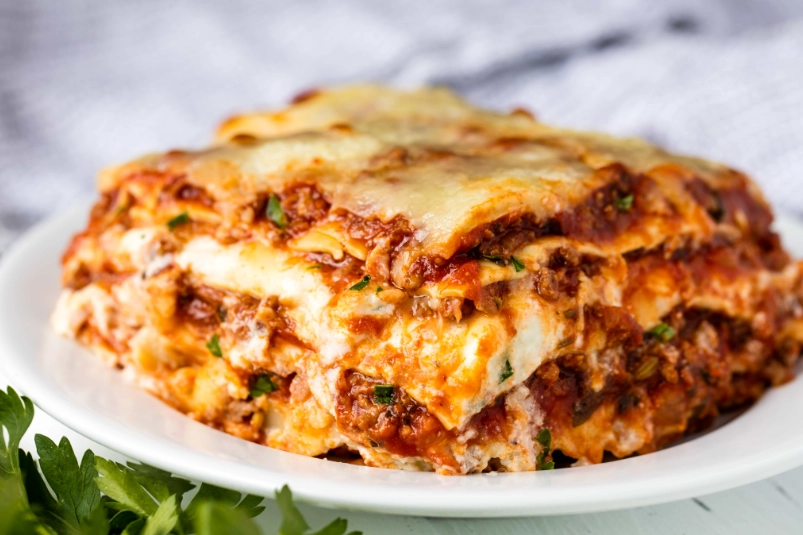
Mastering Classic Italian Baked Dishes: Recipes & Secrets
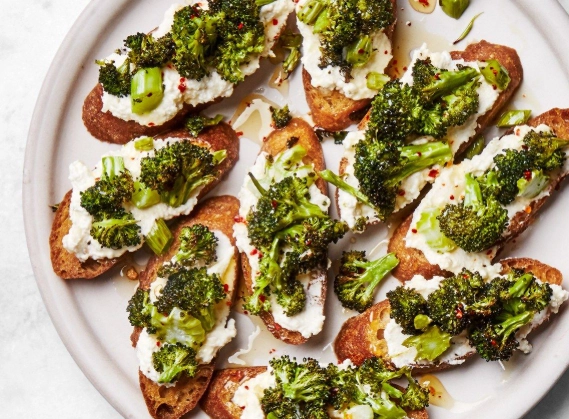
Easy Italian Appetizers: Simple Recipes & Party Platters
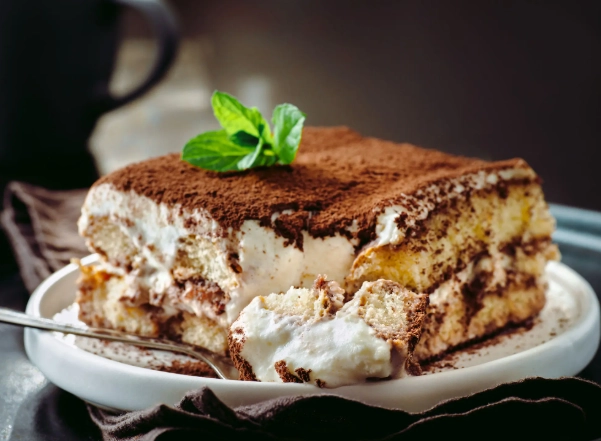
Ultimate Guide to Classic Italian Dessert Recipes from Tiramisu to Cannoli
Leave a Comment