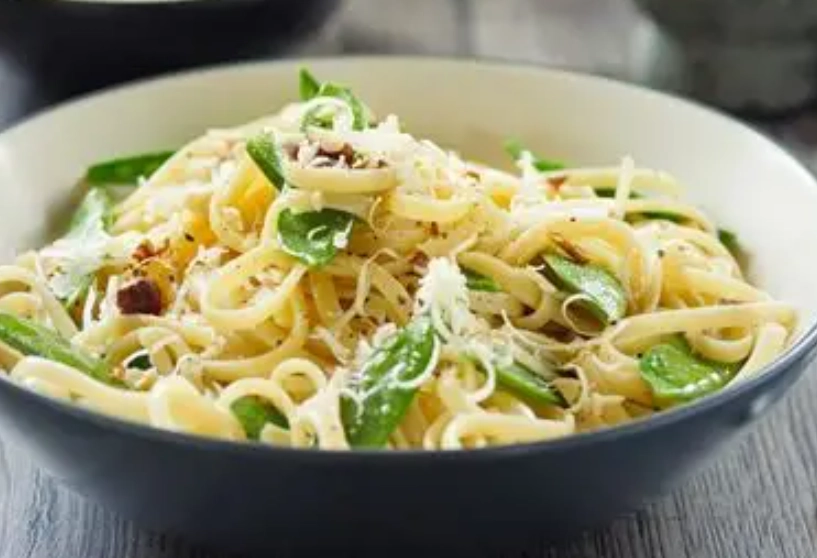
Authentic Italian Recipes: Your Ultimate Guide to Mastering Classics at Home
Quick Navigation
I remember the first time I tried to make a "proper" Italian meal. It was a spaghetti carbonara disaster. Eggs scrambled into a weird, grainy mess, and I'm pretty sure I used bacon. My Italian friend, Luca, just looked at it, sighed, and said, "This is why we have nonnas." It was a humbling lesson. Real Italian recipes aren't about fancy techniques or a million ingredients. They're about a philosophy. It's about respecting a few, stunningly good ingredients and letting them shine. It's about comfort, family, and that magical alchemy that happens in a simple kitchen.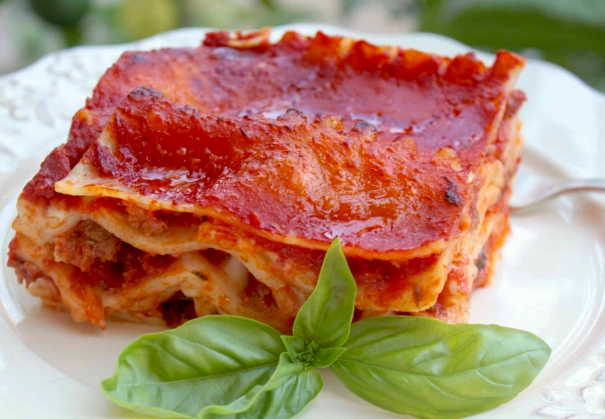
That's what this guide is for. To cut through the noise, ditch the complicated stuff you see on some cooking shows, and get to the heart of what makes Italian food so universally loved. We're talking about the classics you crave, the regional gems you might not know, and the simple tricks that make all the difference. No fluff, just the good stuff.
The Non-Negotiables: Your Italian Pantry Starter Kit
You can't build a house without a foundation, and you can't cook Italian food without a few key players in your cupboard. This isn't an exhaustive list, but if you have these, you're 80% of the way there.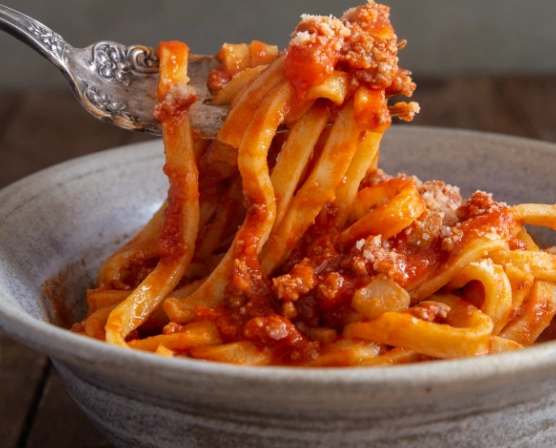
The Holy Trinity of Dry Goods
Pasta: Not all pasta is created equal. The cheap stuff often turns mushy. Look for brands like De Cecco, Rummo, or Garofalo—they use bronze dies to extrude the pasta, which gives it a rougher texture that holds sauce like a dream. Have a mix of shapes: long (spaghetti, linguine), short (penne, rigatoni), and some for soups (ditalini).
Canned Tomatoes: For 90% of the year, canned San Marzano tomatoes are better than fresh, out-of-season ones. Look for "DOP" on the label if you can find them—it's a guarantee of origin and quality from the Italian Ministry of Agricultural, Food and Forestry Policies. Crushed (polpa) are my go-to for quick sauces.
Extra Virgin Olive Oil (EVOO): This is your liquid gold. Use a robust, peppery one for finishing dishes, drizzling over bruschetta, or making dressings. A milder, cheaper one is fine for cooking. Store it in a dark, cool place.
The Fresh & The Aged
Garlic and Onions: The aromatic base for so much. Use fresh garlic, please. No powder.
Parmigiano-Reggiano and Pecorino Romano: Parmigiano (from cow's milk, nutty, complex) and Pecorino (from sheep's milk, saltier, sharper) are not interchangeable. Buy a block and grate it yourself. The pre-grated stuff has anti-caking agents and tastes like sawdust in comparison.
Fresh Herbs: Basil, flat-leaf parsley, and rosemary. A pot of basil on your windowsill is a game-changer.
The Classics You Simply Must Master
These are the pillars. Get these right, and you'll have a repertoire that impresses and satisfies any night of the week.
Spaghetti al Pomodoro (Tomato Sauce)
This is the test of a cook. It seems simple, which is why it's so easy to mess up. The goal is sweet, bright, and balanced.
- Gently sauté a few cloves of sliced garlic in olive oil until just fragrant (don't let it brown!).
- Add a can of good crushed tomatoes and a big pinch of salt.
- Let it simmer, uncovered, for about 20-30 minutes. It should thicken and the flavor will concentrate.
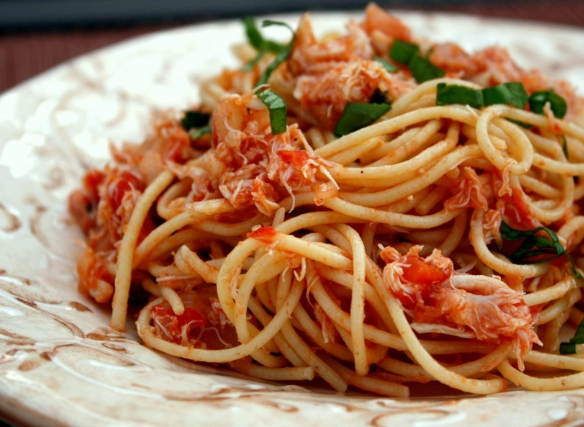
- Tear in some fresh basil at the very end. Toss with your cooked spaghetti, adding a splash of pasta water to emulsify the sauce.
That's it. No sugar, no carrots, no onion (controversial, I know, but this is the Roman way). The quality of your tomatoes does the work.
Pasta alla Carbonara
My nemesis, now my friend. The key is temperature control. You're making a creamy sauce with eggs and cheese, not scrambled eggs.
- Guanciale (cured pork cheek) is traditional and gives an incredible flavor, but a good pancetta works.
- Cook your pork until crispy. Beat eggs (whole, not just yolks, for a lighter texture) with plenty of grated Pecorino Romano and black pepper.
- Here's the magic step: take the hot, cooked pasta (spaghetti or rigatoni) and toss it *off the heat* in the pan with the pork and fat. Let it cool for 30 seconds.
- Then, quickly stir in the egg mixture. The residual heat will cook it into a silky, creamy coat. If it looks too dry, a tiny bit of pasta water helps.
No cream. Ever. If you see cream in a carbonara recipe, close the book.
Margherita Pizza (The Home Oven Hack)
We can't all have a wood-fired oven. But we can get close. The secret is heat. Max out your oven, with a pizza stone or steel if you have one.
- Use a high-hydration dough (it's stickier but makes a better crust) or even a good store-bought dough from an Italian deli. No shame.
- Stretch it thin. Less is more with toppings: a smear of tomato passata, thin slices of fresh mozzarella (fior di latte), a few basil leaves, and a drizzle of oil.
- Bake it as hot as your oven goes (500°F/260°C+) until the crust is blistered and the cheese is bubbling.
Risotto alla Milanese
It's a meditation, not a race. Arborio or Carnaroli rice, toasted in butter, then slowly coaxed with warm stock, stirred patiently until it reaches that creamy, yet al dente, consistency. A pinch of saffron threads soaked in the stock gives it that iconic golden hue and subtle flavor. Finished with more butter and Parmigiano. It's worth every minute.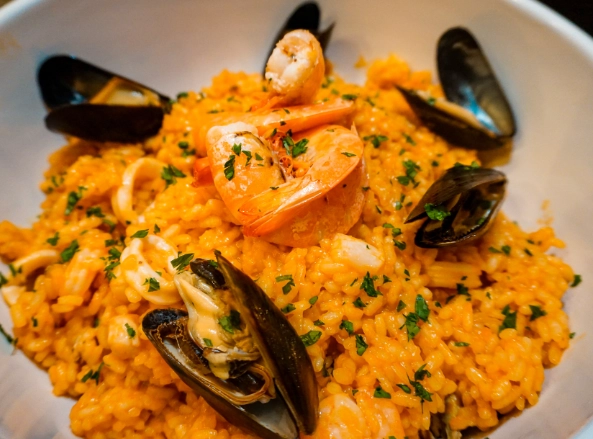
Lasagna alla Bolognese
The ultimate comfort food. This is a project, but a deeply rewarding one. It's about layers: rich, slow-cooked ragù (a meat-based sauce, not just "ground beef in tomato sauce"), creamy béchamel, silky pasta sheets, and cheese. Let it rest after baking so the layers set. It's even better the next day.
| Cheese | Flavor Profile | Best Used In | Grater Type |
|---|---|---|---|
| Parmigiano-Reggiano | Nutty, complex, umami-rich | Finishing pasta, risotto, eating on its own | Microplane (for fine snow) |
| Pecorino Romano | Salty, sharp, tangy | Carbonara, Cacio e Pepe, grating over hearty pasta | Box grater (medium hole) |
| Mozzarella di Bufala | Milky, soft, delicate, moist | Caprese salad, topping pizza (added after baking) | Hands (just tear it!) |
| Ricotta | Mild, slightly sweet, grainy texture | Filling for cannoli, ravioli, adding to pasta sauces | Spoon |
| Gorgonzola | Pungent, creamy, blue-veined | Creamy pasta sauces, with pears and walnuts | Knife (for crumbling) |
Beyond Pasta: Regional Gems Worth Discovering
Italy's food is hyper-local. What they eat in Milan is worlds apart from what's on the table in Sicily. Exploring these regional Italian recipes opens up a whole new world.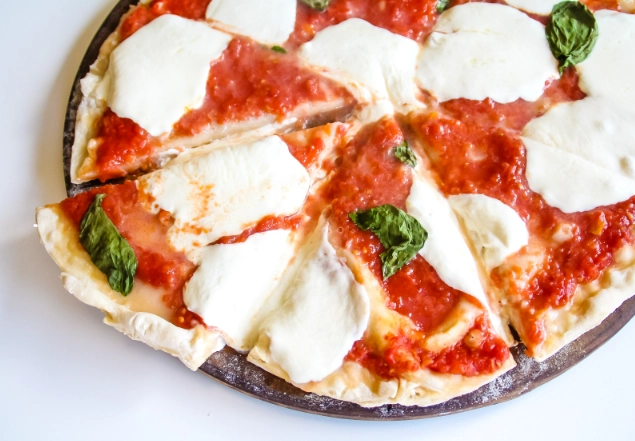
From the North (Tuscany, Piedmont, Lombardy)
Think heartier, butter, rice, polenta, and meats. Risotto is king in the north. Osso Buco (braised veal shanks) from Milan with saffron risotto is a Sunday feast. In Tuscany, you'll find simple, rustic dishes like Ribollita, a glorious, thick vegetable and bread soup that gets better as it's reheated.
From the Center (Lazio, Umbria, Emilia-Romagna)
This is pasta heartland. Rome gave us carbonara, amatriciana, and cacio e pepe. Emilia-Romagna is the birthplace of ragù bolognese, tortellini, and Parmigiano-Reggiano. It doesn't get more iconic.
From the South (Campania, Sicily, Puglia)
Sun-drenched flavors. Tomatoes, eggplants, peppers, olives, and seafood reign supreme. This is the home of the pizza (Naples), of vibrant Pasta alla Norma (with fried eggplant and ricotta salata), and Sicily's famous street food, Arancini (fried risotto balls). The flavors are bold, bright, and often spicy.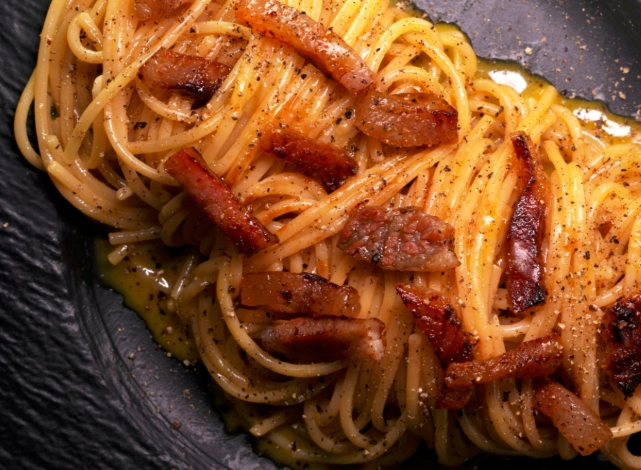
The Techniques That Make the Difference
You have the recipes, you have the ingredients. Now, these little moves separate the good from the great.
Salting Pasta Water: Your water should taste like the sea. I'm not kidding. This is the only chance to season the pasta itself. A big handful of coarse salt in a large pot of boiling water.
Reserving Pasta Water: That starchy, salty water is liquid magic. Before you drain your pasta, scoop out a cup. Adding it back to your sauce helps it cling to the pasta, creating a creamy, emulsified texture. It's the chef's secret weapon.
The *Soffritto*: The holy base of countless sauces, soups, and stews. It's just finely chopped onion, carrot, and celery slowly cooked in olive oil until soft and sweet. It builds a foundation of flavor that you can't get any other way.
Finishing Pasta *in* the Sauce: Don't just dump sauce on top of pasta. Drain the pasta a minute early (al dente!) and finish cooking it in the pan with your sauce, adding splashes of that reserved pasta water. The pasta absorbs the flavor, and the sauce thickens around it. This is non-negotiable.
Answering Your Italian Recipe Questions (FAQ)
I get these questions all the time from friends. Let's clear them up.
Bringing It All Home
Look, at the end of the day, Italian cooking is about joy. It's about gathering people, sharing food, and enjoying the process as much as the result. Don't stress about perfection. My carbonara is still sometimes a little too "set" if I'm not careful, and my pizza crust has good days and bad days.
The best Italian recipes are the ones that become part of your own story. Maybe it's the ragù you simmer all Sunday afternoon, filling the house with an aroma that brings everyone to the kitchen. Maybe it's the simple aglio e olio you whip up at midnight after a long day. It's real food, for real life.
Start with one dish. Master it. Understand why it works. Then move to the next. Your pantry will grow, your confidence will soar, and you'll develop a feel for it. And maybe, just maybe, you'll impress an Italian friend one day. Or at least not make them sigh in despair.
For deeper dives into regional authenticity, the Academia Barilla is a fantastic resource backed by one of Italy's premier food companies. And if you ever want to geek out on the science of pasta or the official specifications of a DOP product, the resources from the Qualivita Foundation are incredibly thorough.
Now, go put a pot of water on to boil. You've got this.
Related Articles
Italian Christmas Dinner Courses: A Complete Traditional Feast Guide
Master Italian Pasta Recipes: Classics, Regional Gems & Pro Tips

The medium-sized trap of Internet companies
Authentic Carbonara Recipe: The Real Italian Way (No Cream!)
Authentic Pasta Carbonara Recipe: Original Italian Method (No Cream!)